 Imago Printer
Imago Printer
Imago Printer
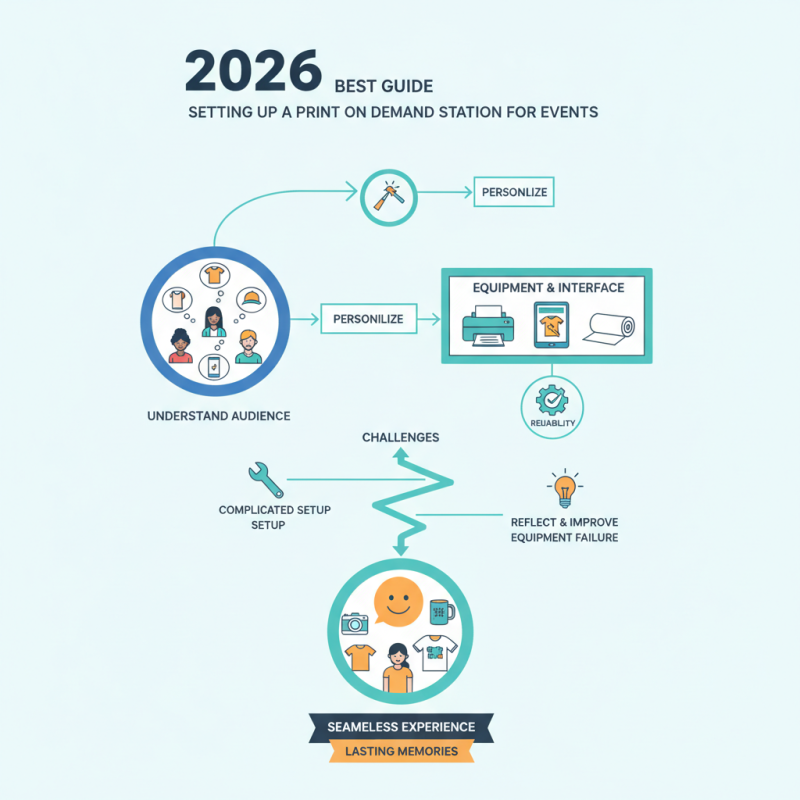
In the growing landscape of events, a print-on-demand station can add a unique touch. This guide explores how to set up a print-on-demand station for events, enhancing the experience for attendees. The convenience of on-the-spot printing allows for personalization, making every item special.
Creating a vibrant atmosphere begins with understanding your audience. Consider their preferences when choosing designs or merchandise. A well-planned station should include quality printing equipment and a user-friendly interface. It's crucial to maintain reliability, ensuring that the equipment works smoothly throughout the event.
There may be challenges along the way. Setup can become complicated, and equipment may fail unexpectedly. Reflect on past experiences to improve your setup process. Ultimately, the goal is to create a seamless and enjoyable experience for event-goers, leaving them with lasting memories.
Print on demand (POD) has gained momentum in the event industry. This model allows businesses to create custom merchandise as needed. According to a recent report by Statista, the global POD market is projected to reach $10 billion by 2025. This growth highlights the increasing demand for personalized products at events.
For organizers, implementing a POD station can enhance attendee experiences. Attendees can create unique items on the spot. This interaction can foster engagement and make events memorable. However, the setup requires careful planning. Choosing the right technology and suppliers is crucial. Many organizers underestimate production times. Even minor delays can impact event flow.
Tip: Always test your equipment before the event. Run sample orders to ensure smooth operations. It's also wise to have a backup plan for design tools.
Additionally, training your staff is vital. They should understand how to assist attendees efficiently. Poor staff support can lead to frustrating experiences, which could affect your event's reputation. Remember, a well-executed POD station can draw positive attention, but any hiccups can magnify dissatisfaction.
| Dimension | Details |
|---|---|
| Equipment Needed | Printer, Heat press, Cutting machine |
| Products to Offer | T-shirts, Mugs, Tote bags |
| Ideal Location | Event halls, Outdoor festivals, Trade shows |
| Target Audience | Event attendees, Corporate clients, Personal guests |
| Setup Time | 2 to 4 hours |
| Marketing Strategies | Social media promotion, Flyers, Event partnerships |
| Cost Estimates | $500 - $1500 |
: POD allows businesses to create custom merchandise as needed, particularly in the event industry.
It allows attendees to create unique items on the spot, fostering engagement and making events memorable.
Proper planning ensures the right technology and suppliers are chosen, preventing production delays that impact the event.
Test equipment and run sample orders before the event to ensure smooth operations.
Well-trained staff can assist attendees effectively, enhancing experiences and protecting the event's reputation.
Use bold colors, fun graphics, and create event-themed designs to draw attention and engage attendees.
Limited edition items can create urgency, making people more likely to purchase on the spot.
Visible displays and clear signage make items easy to access and highlight features or promotions.
Yes, learning from unsuccessful designs helps improve future products and keeps offerings relevant.
Absolutely, eco-conscious packaging can appeal to attendees and enhance the overall experience.
Setting up a print-on-demand station for events can be a rewarding venture that attracts customers with personalized products. To successfully implement this, it's essential to first understand the concept of print-on-demand, ensuring you grasp its advantages and operational processes. Next, acquiring the right equipment—such as printers, heat presses, and apparel—is crucial for quality production. Additionally, selecting user-friendly software can streamline the printing process and enhance your overall efficiency.
When it comes to designing products, focusing on event-specific themes can draw in more customers. Unique and relevant designs will resonate with event attendees, increasing sales potential. Lastly, effective marketing strategies are key to promoting your print-on-demand station at events, whether through social media promotion, engaging displays, or special offers. Overall, knowing how to set up a print-on-demand station for events involves a blend of technical knowledge, creativity, and marketing prowess to create a memorable experience for attendees.
