Imago Printer
In the ever-evolving world of digital card printing, choosing the right material is crucial. Many designers ponder, "What is the best material for digital card printing?" The answer is not one-size-fits-all. Various factors impact this decision, including durability, texture, and finish.
Consider the difference between coated and uncoated stocks. Coated sheets offer vibrant colors and crisp details. Uncoated options provide a more natural feel but might lack sharpness. Each material has its pros and cons. It's essential to weigh these carefully before making a choice.
Another point to consider is how the cards will be used. For instance, cards that are often handled need sturdier materials. On the other hand, if you’re aiming for an elegant presentation, a different approach may be required. Reflecting on these aspects ensures the final product aligns with your vision.
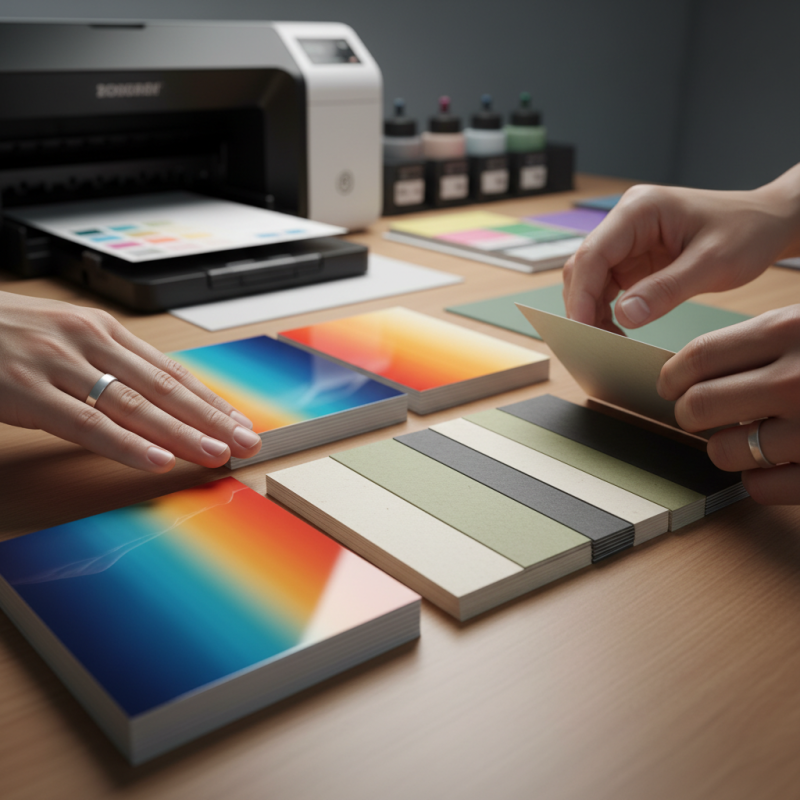
When choosing materials for digital card printing, consider the type and weight of paper. Different paper weights affect the card's durability and feel. A study by Smithers Pira indicates that thicker stocks (250-300 gsm) offer better durability for business cards. This ensures they hold up during handling and mailing, while lighter stocks might bend easily.
Surface finish is another crucial factor. Matte finishes impart a sophisticated look, while glossy finishes enhance color vibrancy. According to a report by NPD Group, glossy cards can improve brand recognition by up to 30%. This highlights the importance of finish in conveying messages effectively.
Texture plays a role in consumer perception as well. Textured surfaces can add a tactile experience but may increase the cost. It's essential to balance aesthetics with budget constraints. There’s no one-size-fits-all solution; appropriate choices depend on the card's purpose and target audience. Consider quality over quantity. Each choice should reflect strategic thinking about how the card will be used and perceived.
When selecting materials for digital card printing, several options dominate the market. Popular choices include cardstock, synthetic paper, and PVC. Each material complements different printing techniques and intended uses, allowing for great variability based on individual needs. According to a recent industry report, cardstock is favored for its affordability and print quality, making it ideal for business cards. In contrast, PVC cards are renowned for their durability and resistance to wear, making them suitable for membership and identification cards.
For those considering synthetic papers, they are increasingly embraced for their waterproof and tear-resistant qualities. This material can be printed with vibrant colors, making it suitable for dynamic marketing pieces. However, the initial cost is often higher than traditional papers, which may not fit all budgets. Balancing cost and quality remains a key decision-making factor for businesses venturing into digital card printing.
Tip: Always request samples before deciding on a material. This helps assess how the printed design translates to the chosen substrate.
Another important factor to weigh is environmental impact. Many companies are shifting towards eco-friendly materials, drawn by growing consumer demand. Yet, options like recycled cardstock may not always meet high durability standards. Reflecting on these choices can ensure a responsible approach to printing needs without compromising quality.
| Material Type | Thickness (mm) | Weight (g/m²) | Finish | Best Use Case |
|---|---|---|---|---|
| Glossy Paper | 0.25 | 250 | Glossy | Business Cards |
| Matte Paper | 0.25 | 250 | Matte | Invitation Cards |
| PVC Plastic | 0.76 | 500 | Glossy | Membership Cards |
| Recycled Paper | 0.30 | 220 | Smooth | Eco-Friendly Cards |
| Uncoated Cardstock | 0.30 | 300 | Uncoated | Postcards |
When choosing the material for digital card printing, both paper and plastic offer unique advantages and challenges. A recent industry report highlighted that paper is often more cost-effective, especially for large print runs. The average cost per card can drop significantly with paper options. However, durability is a crucial consideration; plastic cards typically last longer, resisting water, tearing, and fading.
Paper cards offer a classic feel but can show wear quickly. In contrast, a plastic card ensures longevity and higher perceived value. According to research by the Printing Industries of America, 70% of businesses prefer plastic for loyalty and membership cards due to their durability. This trend reflects the importance of selecting a material that aligns with brand perception and usage context.
Tips for selection: Consider the card's purpose. If it's a temporary pass or event ticket, paper may suffice. For loyalty programs, opt for plastic for a better user experience. Additionally, assess your budget. While plastic cards are pricier, their lifespan can justify the initial investment. Overall, weigh the functional requirements against aesthetic preferences for optimal results.
When it comes to enhancing the quality of digital card printing, finishing options play a crucial role. A recent industry report revealed that up to 30% of printed pieces' perceived quality is influenced by their finishing. Techniques like gloss, matte lamination, and spot UV are popular choices for creating a lasting impact. Gloss finishes can make colors pop, while matte options offer a sophisticated look. Spot UV is effective for emphasizing specific areas, providing a tactile contrast.
Additionally, the weight of the paper stock significantly affects the overall feel of the card. Cards are typically printed on stocks ranging from 300 to 400 gsm for a sturdy hold. A heavier stock can evoke a sense of quality. However, achieving the right balance is essential. Too heavy a card may not fit standard wallet sizes or may feel cumbersome. Industry professionals often recommend testing various weights to find the perfect match for the intended audience.
Research indicates that 70% of consumers base their perception of quality on tactile experiences. This underscores the importance of finishing options. While sophisticated finishes often elevate the card's appearance, affordability cannot be overlooked. Many organizations struggle with budget constraints. It’s vital to weigh the benefits of high-quality finishes against production costs. Each decision should align with specific branding goals and customer preferences.
Sustainability is gaining importance in the digital card printing industry. As brands aim to reduce their environmental impact, choosing the right materials becomes essential. According to a 2023 report by Smithers Pira, eco-friendly materials can reduce carbon footprints by up to 30%. This places pressure on businesses to adapt their practices.
Recyclable and biodegradable materials are now widely available. Papers sourced from sustainable forests often have less environmental impact. Conversely, some synthetic materials may offer durability but fail to break down naturally. This dilemma creates confusion for companies aiming to be sustainable while providing high-quality products.
Tips: Always check for certifications like FSC (Forest Stewardship Council) or PEFC (Program for the Endorsement of Forest Certification) to ensure responsible sourcing. Engage with suppliers who prioritize eco-friendly practices. Regularly evaluate your material choices and consider their lifecycle impacts. This ongoing assessment can lead to more sustainable decisions.
Producers often overlook the long-term effects of their material choices. They may prioritize cost over sustainability. This short-sightedness can lead to missed opportunities for brands to position themselves as environmentally responsible. Understanding these nuances is crucial for effective decision-making.
: Paper is often more cost-effective, especially for large print runs. It offers a classic feel but wears quickly.
Plastic cards last longer, resisting water, tearing, and fading. They provide a higher perceived value over time.
Paper may suffice for temporary passes or tickets. For loyalty programs, plastic is recommended for a better user experience.
Finishing options significantly impact quality. Techniques like gloss, matte, and spot UV create different visual effects.
Heavier card stock can evoke quality. However, if too heavy, it may not fit in wallets comfortably.
Choosing eco-friendly materials can reduce carbon footprints. Brands must balance quality with environmental impact.
Look for certifications like FSC or PEFC. Engage with suppliers who prioritize eco-friendly practices for responsible sourcing.
Many prioritize cost over sustainability, overlooking long-term effects. This may limit opportunities for environmentally responsible branding.
When considering "What is the best material for digital card printing," several factors come into play. The choice of material should balance durability, appearance, and purpose. Common materials include paper and plastic, each with its advantages and drawbacks. Paper tends to offer a more traditional feel and can be eco-friendly, while plastic provides enhanced durability and resistance to wear.
Additionally, the finishing options available, such as lamination or embossing, can significantly enhance the quality and aesthetics of the printed cards. Sustainability is also a key consideration, as many businesses are increasingly opting for eco-friendly materials to minimize their environmental impact. Ultimately, the best material for digital card printing will depend on the specific needs of the project and the priorities of the business.