 Imago Printer
Imago Printer
Imago Printer
When it comes to custom printing techniques, the choice between screen printing and digital foil stamping can be overwhelming. Industry expert Julia Reynolds emphasizes, "Understanding how to choose between screen printing and digital foil stamping is crucial for creating impactful designs." This decision impacts the final look and feel of your project.
Screen printing is known for its vibrant colors and durability. It’s ideal for larger quantities. However, it can be less flexible with intricate designs. On the other hand, digital foil stamping offers a stunning aesthetic with metallic finishes, but it may not be cost-effective for large runs.
Choosing the right method requires careful consideration. Assess the project's scale, budget, and desired effect. Remember, both methods have unique benefits and limitations. Reflect on what truly aligns with your vision for the project while keeping your audience in mind.
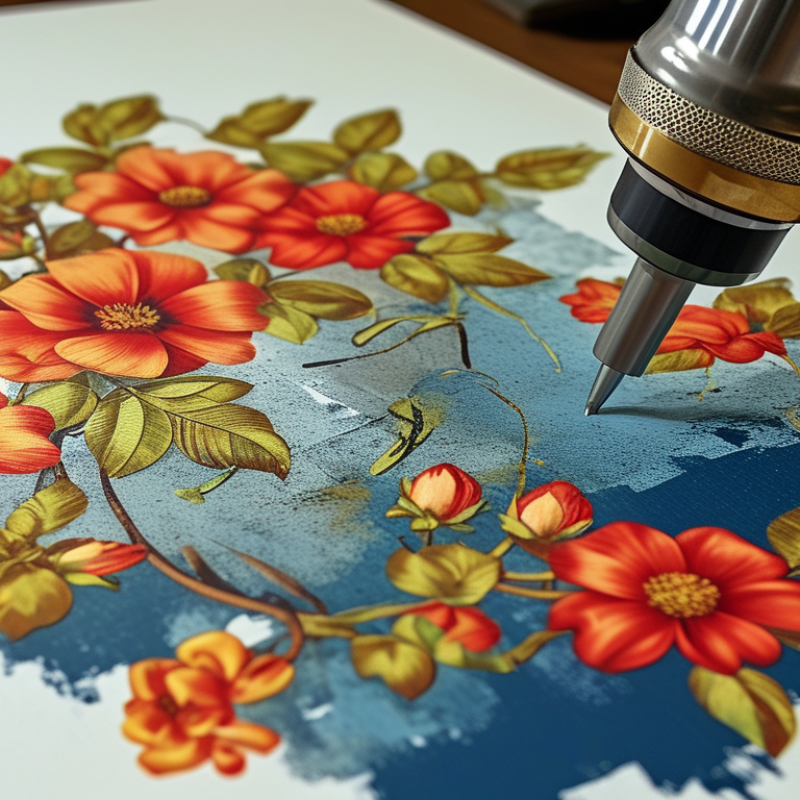
Screen printing is a popular technique for creating vibrant prints on a variety of materials. This method involves pushing ink through a mesh screen onto the substrate. The result is a bold and dynamic image, ideal for apparel and promotional items. One key advantage of screen printing is its ability to produce bright colors that stand out. This method is also cost-effective for large runs, as the setup costs are spread over many pieces.
However, screen printing does have limitations. The process can be less efficient for small orders, due to the setup time involved. Additionally, fine details may not always translate well, resulting in a need for careful design planning. Designers must balance creativity with practical considerations. It can be frustrating when the final print does not match expectations. Knowing these challenges allows for better decision-making when choosing between printing options.
Ultimately, understanding these aspects of screen printing helps in making informed decisions. Weighing the pros and cons is essential. This ensures the right choice for your project. Factors such as volume, design complexity, and desired outcome play important roles in this process.
| Aspect | Screen Printing | Digital Foil Stamping |
|---|---|---|
| Cost Efficiency | More cost-effective for bulk orders | Higher cost for small runs |
| Design Flexibility | Limited colors; better for simple designs | Highly flexible; can print complex designs easily |
| Print Quality | Excellent for solid colors | Superior detail and finish (metallic effect) |
| Material Compatibility | Works well on a variety of fabrics | Best on paper and cardstock |
| Setup Time | Longer setup, especially for multi-color jobs | Quick setup, especially for one-off prints |
| Durability | Very durable with fading resistance | Durability varies, less fade-resistant |
: Digital foil stamping combines heat and pressure to apply metallic foil to materials, creating stunning designs.
It allows for personalization, produces intricate designs, and enhances the perceived value of products.
While it uses eco-friendly materials, energy consumption during the process raises sustainability concerns.
Assess your budget, desired quality, and visual impact of your project when making a decision.
It's ideal for luxury packaging, business cards, and marketing materials that require a high-end look.
Yes, initial setup can be complicated, particularly for smaller projects, and it may lead to frustration.
Generally, screen printing has lower costs for bulk orders, while foil stamping may have higher per-unit expenses.
Request samples and test both methods to understand their strengths and limitations in relation to your goals.
When considering how to choose between screen printing and digital foil stamping, it is essential to understand the unique benefits of each method. Screen printing offers durability and vibrant colors, making it ideal for bulk orders, while digital foil stamping provides a luxurious finish and precision for intricate designs. Each technique has distinct advantages that cater to different project needs.
Key factors influencing the decision include cost, quality, and production time. Screen printing generally has lower costs for large quantities, whereas digital foil stamping may be more suitable for smaller batches with detailed graphics. Ultimately, analyzing the specific application requirements—such as desired effects and final use—will guide you in selecting the most effective method for your project.
