Imago Printer
A foil can look brilliant on a sample and fail on the production line. The same roll may bond cleanly to smooth paper yet lift from a coated carton. Substrate choice is only part of the decision. Surface texture, coating, heat tolerance, and the stamping process all affect the result. How to choose the right foil for different substrates is not just a color question.
Paper and paperboard often need reliable release and crisp detail. A rough or uncoated surface may require a foil designed for stronger adhesion. Plastics can be sensitive to heat, so check the material’s temperature limits before testing. Leather and textiles bring another challenge: their texture can interrupt contact between foil and surface. Small details matter. A motif that looks sharp on a flat card may appear broken on grainy leather.
Heat, pressure, and dwell time also influence transfer quality. A foil that releases well at one setting may smudge or peel at another. Ask suppliers for technical data, then run a small trial using your actual substrate and equipment. Record the settings and inspect the finished piece after handling. It takes time. But skipping this step can waste more.
This guide compares common foil types and substrate needs, with practical selection points for buyers considering China-based suppliers. It also explains what to check in samples, specifications, and production tests. No chart can replace a real trial; even a good sample may not predict every production run. That uncertainty deserves attention.
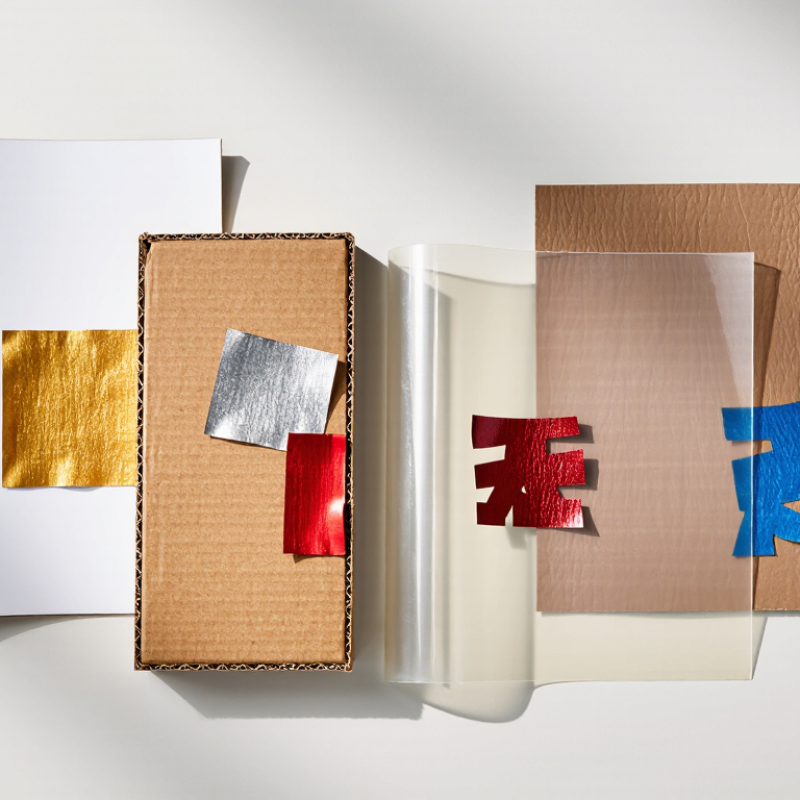
Foil transfers through a release layer and an adhesive layer, so its appearance alone does not determine whether it will work. Metallic foil can produce a bright, mirror-like finish on smooth, coated paper. Pigment foil gives a more opaque, colored surface, while holographic foil adds shifting patterns. Small details matter.
The substrate changes the transfer. Uncoated paper may absorb heat differently from coated stock, and textured paper can leave tiny gaps where the foil cannot make full contact. Flexible films and synthetic materials may need a foil adhesive designed for their surface. Check the supplier’s technical sheet for compatible substrates and recommended stamping conditions. In practice, selection is not always tidy.
Heat, pressure, and dwell time affect release and adhesion. Too little pressure can create broken edges; excessive heat may dull the finish or mark the substrate. A clean, sharp die helps, but it cannot correct an incompatible foil. Make a small test using the actual material, then inspect fine lines, solid areas, and edges after cooling. Record the settings, even when the first result looks good. It may not repeat on a different surface.
Choosing foil begins with identifying the exact substrate, not just its broad category. Paperboard, coated paper, plastic film, and wood can respond very differently to heat and pressure. Check the surface closely. Is it glossy, porous, textured, or slightly dusty? A smooth coating may help foil release cleanly, while an uneven grain can leave thin, broken areas.
Surface condition matters just as much as material. Oils from handling, moisture, loose fibers, and varnish can interfere with adhesion. Under angled light, look for scratches, raised fibers, or patches of uneven coating. On plastic, note whether the surface feels slick; on paper, check whether the finish absorbs moisture. Small details count. A substrate that looks clean may still carry residue, and that judgment can be wrong.
Before selecting a foil, test it on a piece from the actual production batch. Keep the material, artwork, and surface finish consistent, then adjust temperature, pressure, and dwell time in small steps. Check fine lines, solid areas, and edges after cooling. Rub the finished sample gently to assess adhesion. Do not rely on one attractive test impression. Textured stock may need a different approach from flat stock, and coatings can vary between batches. Record the conditions, but leave room for another test. Even a careful checklist can miss a change in surface feel.
Foil adhesion depends on the surface, not just the foil color. On uncoated paper, a slightly porous sheet may take a crisp impression, while rough fibers can leave tiny gaps. Coated paper often needs a different heat and pressure balance. Start with the foil maker’s substrate guidance, then test a small area. Small tests matter. Check the edges and fine lettering under ordinary light, not only from across the room.
Plastic is less forgiving. A smooth film can look ready for stamping but still resist adhesion because of its surface treatment or coating. Test on the exact plastic grade and finish; similar-looking sheets can behave differently. Leather varies too. Its oils, grain, and finish affect transfer, so use an offcut from the same hide when possible. Too much heat may flatten the grain or darken the surface. I still find this easy to underestimate.
Textiles stretch and compress, which can distort a foil mark or make adhesion uneven. Test the fabric after it has been pressed, cooled, and flexed. Feel the edge. A mark that looks clean on a flat sample may crack when the cloth bends. Record temperature, pressure, and dwell time for each trial, but treat those notes as a starting point, not a universal recipe. Actual results can shift with humidity, surface coatings, and material batches.
Foil selection depends on the printing method, the substrate, and the finished product’s use. A smooth coated sheet may show fine lines clearly, while textured paper can break up small details. Uncoated stock may also absorb adhesive differently. Small details matter.
For hot stamping, check the foil’s compatibility with the stock, then adjust temperature, pressure, and dwell time with test impressions. Too much heat can blur edges; too little pressure can leave patchy coverage. Digital foiling often relies on toner or a receptive layer, so confirm that the foil and print system work together. Cold foil uses adhesive, making coating weight and curing important. Test the actual stock.
Application settings change the choice, too. A carton handled often may need better rub resistance than a book cover kept on a shelf. Flexible labels need a foil that tolerates bending without cracking. Record machine settings and inspect solid areas, fine type, and edges after the foil cools or cures. Even a careful test can mislead if production stock varies. Compare samples under real lighting and handling conditions before approving a run.
Choosing foil by appearance alone can be misleading. A glossy sample may look excellent on coated paper but wrinkle on textured stock. Match the foil to the actual substrate, including its coating, surface texture, and heat sensitivity. Small differences matter.
Before purchase, ask Chinese suppliers for samples and technical details such as recommended temperature, pressure, dwell time, and suitable materials. Test each sample on your own substrate using the same machine settings. Record adhesion, edge sharpness, color, and resistance to rubbing. Then adjust settings gradually; one trial rarely tells the whole story. Compare samples under consistent lighting, and request another batch if results vary. Supplier replies also matter: clear answers about specifications and lead times make production planning more reliable.
Tips: Keep a labeled sample sheet with the substrate, settings, and test date. Compare actual production conditions, not just hand-applied swatches. A sample test cannot predict every production issue, so leave room for retesting. Be cautious when a supplier gives no measurable guidance.
The surface matters as much as foil color. Texture, coatings, oils, and heat sensitivity can change the result.
Use the exact paper stock. Check fine lettering and edges under ordinary light; rough fibers may leave tiny gaps.
Not always. Surface treatments and coatings differ, even when sheets look alike. Test the exact grade and finish.
Test an offcut from the same hide. Too much heat can darken the leather or flatten its grain. Easy to underestimate.
Press a sample, let it cool, then flex it. Look for cracks or uneven edges. Feel the mark, too.
Note temperature, pressure, and dwell time. Add the substrate and test date to a labeled sample sheet.
Ask for recommended settings, suitable materials, and lead times. Clear specifications help with production planning.
Use the same substrate, machine settings, and lighting. Check adhesion, edge sharpness, color, and rub resistance.
No. Production conditions and material batches can vary. Retest when needed; one trial rarely tells the whole story.
Choosing the right foil starts with understanding how different foil types transfer under heat, pressure, and contact. Before selecting a product, identify the substrate—such as paper, plastic, leather, or textile—and assess its surface texture, coating, flexibility, and heat tolerance. These conditions affect how well the foil bonds and how cleanly it releases. How to choose the right foil for different substrates depends on matching the foil’s adhesion and transfer properties to the material rather than relying on a one-size-fits-all option.
The printing method and application settings also matter. Adjust temperature, pressure, dwell time, and other process conditions to suit both the foil and the substrate. Before placing a large order, test samples using your actual materials and equipment. Compare transfer quality, durability, appearance, and consistency across samples, and assess suppliers based on product suitability and clear technical information. This practical approach helps reduce waste and supports reliable results across different substrates.
