Imago Printer Imago Printer

How to Make Custom Wedding Stationery with Digital Foil?

Time:2026-07-11 Author:Ethan
0%

Creating your custom wedding stationery can be an exciting venture. With digital foil, your designs can shine like never before. Expert designer Sarah Johnson, known for her innovative approach, once said, "Digital foil adds a touch of magic to every invitation." This highlights the importance of incorporating special elements in your stationery.

When considering how to create custom wedding stationery with digital foil, attention to detail is vital. Choose colors and fonts that reflect your theme. Invest in quality materials to ensure a polished look. Digital foil allows for versatile designs that can be adapted to fit any style.

However, the process isn't without challenges. Foil application requires precision. If not careful, you may encounter excessive adhesive or misalignment. Take time to practice. Exploring options will help refine your technique. Every decision shapes the final product, making it essential to reflect on your designs carefully. This journey can lead to beautiful, lasting impressions on your special day.
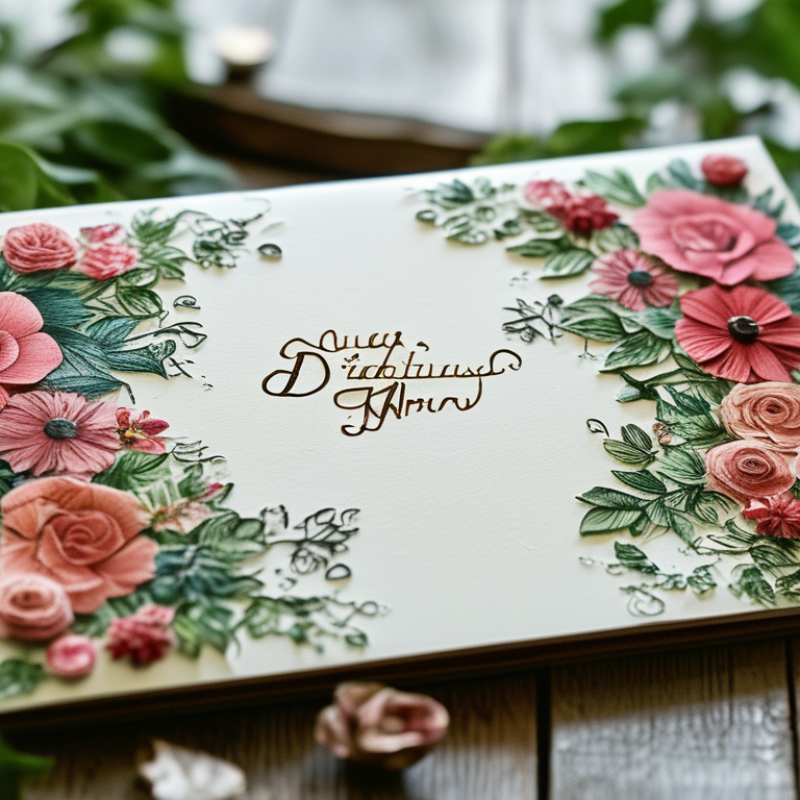
How to Make Custom Wedding Stationery with Digital Foil?

Understanding Digital Foil and Its Applications in Wedding Stationery

Digital foil is revolutionizing the wedding stationery market. This innovative technique adds a metallic finish to invitations and cards, making them truly stand out. According to The Wedding Report, 73% of couples prioritize unique stationery. Digital foil achieves this by using heat and pressure to transfer foil to printed materials.


When considering your wedding stationery, understanding digital foil is essential. It comes in various colors and can be applied to many surfaces, including textured paper. A study from the Specialty Graphic Imaging Association indicates that the demand for custom printing techniques has increased by 30% in recent years. This reflects a growing desire for personalized and elegant designs.


Tips for using digital foil: Choose a simple design to highlight the foil effect. Think about the color scheme; foil works beautifully with pastels. Be mindful of your budget. Digital foil can be an additional cost, so plan accordingly. Test a sample before ordering. An imperfect application might affect the overall look. Use this knowledge to refine your choices for an unforgettable wedding experience.

Tools and Materials Needed for Creating Custom Wedding Stationery

Creating custom wedding stationery with digital foil requires the right tools and materials. You will need a computer equipped with graphic design software. Many brides choose Adobe Illustrator or Affinity Designer. These programs offer features that allow for precise design work and intricate details.

Next, consider investing in a digital foil printer. According to a recent industry report, the demand for foil printing is increasing, with a projected annual growth rate of 4.5% in the next few years. This presents opportunities for DIY enthusiasts to create unique wedding invites. Additionally, high-quality foil sheets and adhesive are essential. Some might overlook the importance of using premium materials, which can greatly affect the final product’s appearance.

Foil application can be tricky. It may require practice to achieve even results. Some designs don't turn out as expected, leading to frustration. It's a learning process and may take several attempts to perfect your technique. Experimenting with different settings and materials can lead to surprising results. Embrace the imperfections; they can make your stationery uniquely yours.

Step-by-Step Guide to Designing Your Wedding Stationery with Digital Foil

Creating custom wedding stationery using digital foil adds a touch of elegance. It’s increasingly popular, as 76% of couples consider stationery a reflection of their wedding style. This guide will help you design unique pieces.

Start by selecting your design software. Programs like Adobe Illustrator or Canva can provide the flexibility you need. Choose your colors and fonts carefully. A limited palette usually works best. Foil accents need contrast to stand out. When choosing a template, think about your wedding theme.

**Tip:** Always test your designs before printing. Print a sample to check colors and layout. Mistakes can happen, so don’t be afraid to refine your design multiple times.

Digital foil printing involves a layer of metallic or holographic finish. This can be tricky. Ensure your images have high resolution. Low-quality images can ruin the final product. The average cost for custom stationery can range from $4 to $15 per piece.

**Tip:** Consider DIY options for less complex designs. This method can cut costs but may require patience. Not every design will translate perfectly. Some elements might need reworking after the first print. Expect a learning curve.

Printing Techniques for Applying Digital Foil on Wedding Invitations

Creating custom wedding stationery is an exciting creative endeavor. Digital foil is a popular technique that adds elegance to invitations. This process involves a few key printing methods, each with its own unique characteristics.

One common method is the heat transfer foil technique. This requires a specialized printer, allowing you to transfer foil onto paper. You'll print your design using a special toner that reacts to heat. When the foil is placed over the design and heated, it bonds to the toner. This method can create striking designs but may require practice to master.

Another option is the digital foil printing method. This method often produces sharper details. It uses an inkjet printer, applying the foil directly during the printing process. You'll need high-quality foil and compatible paper for best results. However, achieving consistency across multiple prints can be a challenge. Sometimes, the foil adheres unevenly, which can be frustrating.

Whichever technique you choose, ensure your designs are well-planned. Experimenting with different paper types can affect the final look. Take the time to refine your process. Creating beautiful stationery is a journey, and embracing imperfections can lead to unique results.

Tips for Finalizing and Assembling Your Custom Wedding Stationery

Creating customized wedding stationery is an exciting part of wedding planning. However, finalizing and assembling your stationery can be a bit overwhelming. Start by paying close attention to the details. Choose your fonts carefully. They should reflect your wedding theme but remain easy to read. Consider a mix of styles: maybe a traditional script paired with a clean sans-serif. This contrast adds a unique touch but can be tricky to balance.

When you begin assembling your stationery, organize your materials. Gather your digital foil, paper, and tools in one place. Ensure your workspace is clean and spacious. Mistakes often happen when things are cluttered. Take your time and layer each element carefully. Wrinkles in the foil or paper can detract from the overall look. If you're uncertain about a layout, create a mock-up first. It often reveals unexpected issues that need fixing.

Lastly, don’t forget to proofread everything. Errors can sneak in during the designing phase. Double-check names, dates, and any critical details. It’s easy to overlook small mistakes, so ask a friend to review them too. Their fresh eyes may catch something you've missed. Embrace the process and remember that perfection isn’t the goal. Your stationery should reflect your unique story and style, even with imperfections.

How to Make Custom Wedding Stationery with Digital Foil? - Tips for Finalizing and Assembling Your Custom Wedding Stationery

Dimension Description Example
Paper Type Choose a suitable paper type that complements foil Cotton, Linen, or Glossy
Foil Color Select color that matches the wedding theme Gold, Silver, or Rose Gold
Font Style Choose elegant fonts that fit the theme Script or Serif fonts
Layout Design a clear layout with appropriate spacing Centered or justified text
Enclosure Types Include matching RSVP and information cards RSVP card, Details card
Assembly Tips Properly align and secure the cards Use double-sided tape or glue

FAQS

: What is digital foil in wedding stationery?

: Digital foil adds a metallic finish to invitations, making them unique and eye-catching.

Why is digital foil becoming popular?

Many couples value unique stationery that reflects their wedding style. The demand for custom printing has surged.

How do I choose a design for digital foil?

Opt for simple designs. They highlight the foil effect best and allow colors to pop.

Are there any budget concerns with digital foil?

Yes, digital foil may increase costs. Plan your budget accordingly to avoid surprises.

What should I test before printing?

Always print a sample to check colors and layout. Mistakes can be costly and frustrating.

What challenges can arise when using digital foil?

Inconsistencies in foil application can happen. Sometimes, elements need reworking after the first print.

What printing methods are used for digital foil?

Heat transfer and digital foil printing are common. Each technique has unique characteristics and challenges.

Can I do a DIY approach for digital foil?

Yes, a DIY method can cut costs. However, it may require more time and patience for intricate designs.

How important is image quality in digital foil printing?

High-resolution images are crucial. Low-quality images can affect the final product’s appearance negatively.

Should I expect a learning curve with digital foil?

Yes, creating beautiful stationery may take practice. Embrace imperfections for a unique final product.

Conclusion

The article "How to Make Custom Wedding Stationery with Digital Foil" provides a comprehensive guide for couples looking to personalize their wedding invitations. It begins by explaining the concept of digital foil and its various applications in wedding stationery, emphasizing its aesthetic appeal and versatility. The article details the essential tools and materials needed to start this creative process, making it accessible for beginners.

Following this, the reader is taken through a step-by-step guide on how to create custom wedding stationery with digital foil, from initial design concepts to final assembly. It also explores different printing techniques that effectively apply digital foil to enhance the visual impact of wedding invitations. With practical tips for finalizing and assembling these bespoke pieces, the article equips readers with the knowledge to craft unique and elegant wedding stationery that reflects their personal style.

Ethan

Ethan

Ethan is a seasoned marketing professional with a deep expertise in our company's innovative product line. With a passion for sharing knowledge and insights, he takes the lead in regularly updating our corporate blog, where he explores industry trends, product features, and effective marketing......