Imago Printer
Digital foil stamping is gaining popularity in printing and design. Many professionals wonder, "What temperature is best for digital foil stamping?" The answer is crucial for achieving the best results. Proper temperature settings influence adhesion and the overall quality of the finish.
Finding the ideal temperature can be a challenge. Different materials react differently to heat. Factors like humidity and oven calibration can affect outcomes. This inconsistency requires constant adjustments. Experienced printers recommend starting with mid-range temperatures. However, monitoring the process is essential. It’s not a one-size-fits-all solution.
Experimentation is key to mastering digital foil stamping. Each project may require tweaks to settings. Reflections on past outcomes can guide future practices. By sharing data and experiences, professionals can improve their techniques. Thus, understanding temperature dynamics is vital for success in digital foil stamping.
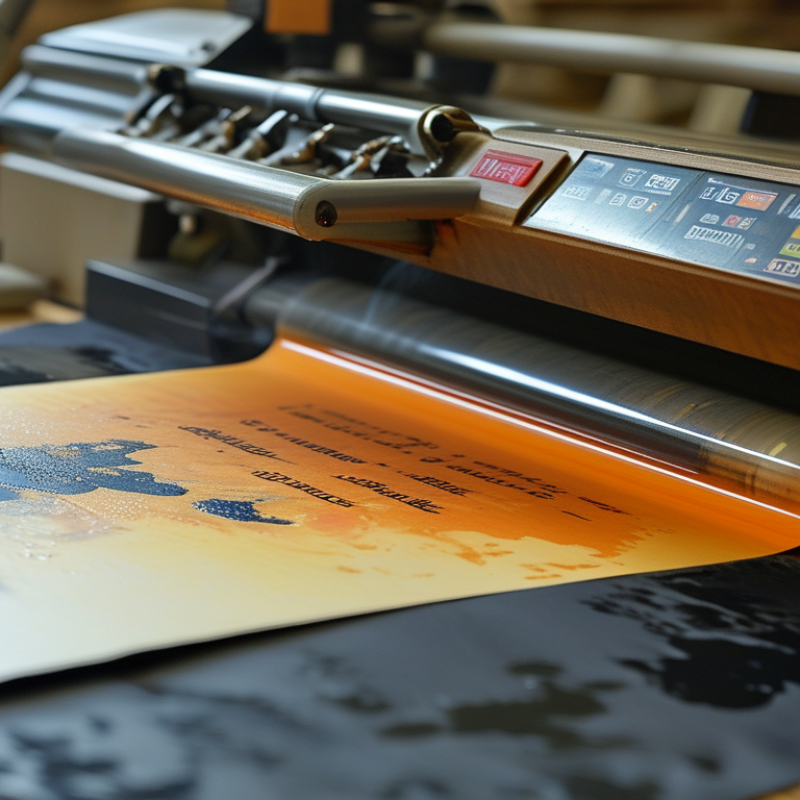
Digital foil stamping is a delicate process that requires careful attention to temperature. The ideal temperature often ranges between 270°F and 300°F (132°C to 149°C). This range is essential for achieving optimal adhesion between the foil and the substrate. If the temperature is too low, the foil may not adhere properly. Conversely, excessive heat can damage the materials or result in uneven foiling.
Understanding the mechanics of digital foil stamping is crucial. The heat activates the adhesive on the foil, allowing it to bond with the printed material. Factors like substrate type and thickness can impact this process. For instance, heavier substrates might require slightly higher temperatures. Adjusting the press settings appropriately is vital. Some operators find their initial settings lead to unsatisfactory results, prompting a need for further adjustments or experimentation.
It's not uncommon for professionals to encounter challenges during digital foil stamping. Perhaps the foil does not adhere as expected, or the finish appears dull. Reflecting on past projects can offer insights into refining techniques and temperature settings. Each job might reveal unique requirements that necessitate careful calibration. This journey of trial and error contributes to developing a deeper understanding of foil stamping dynamics.
Achieving the right temperature in digital foil stamping is crucial for successful results. Several factors influence this ideal temperature. One key factor is the type of substrate being used. Different materials react uniquely to heat, affecting how the foil adheres. For example, porous materials may require lower temperatures to prevent damage, while non-porous surfaces may need higher heat for proper bonding.
Another important consideration is the type of foil. Different foils have various heat requirements. Metallic foils might need a higher temperature compared to matte options. Testing on scrap material is often advisable. This can help determine the best temperature settings for specific projects. It's not uncommon to face challenges. Sometimes, even minor adjustments in temperature can yield significant changes in adhesion quality.
Humidity also plays a role in the stamping process. High humidity can cause foils to clump and stick improperly. Adjusting temperatures based on environmental conditions can enhance results. Many professionals recommend tracking performance through consistent practice. Documenting the outcomes helps refine the process over time. Being aware of these factors makes a meaningful difference. Each project provides a learning opportunity to improve techniques and outcomes.
When considering digital foil stamping, temperature plays a crucial role. The ideal temperature for foil stamping typically ranges between 250°F and 300°F. At these temperatures, the adhesive on the foil functions optimally, ensuring good adhesion to the substrate. However, pushing the temperature too high can lead to undesirable outcomes like burnt edges or degraded substrate quality.
Factors such as the type of foil and the substrate material also influence adhesion. For instance, paper absorbs heat differently than plastic. It's important to conduct tests to find the right balance. Monitor the temperature closely; weaving in adjustments can improve results.
In practice, maintaining a consistent temperature is essential for quality output. Uneven heat distribution can lead to uneven adhesion. If you notice issues with foil lifting or peeling, consider reviewing your temperature settings and calibrating your equipment. Experiment and document settings for future reference.
When working with digital foil stamping, temperature plays a crucial role. Each foil type has its own ideal temperature range for optimal adhesion and appearance. For instance, hot stamping foils typically require a temperature between 250°F to 350°F. This range allows the foil to transfer effectively onto the substrate, ensuring a clean and vibrant finish.
Cold foil, on the other hand, functions optimally at lower temperatures, usually between 100°F to 150°F. This method relies on pressure and adhesive rather than heat, making it essential to monitor temperatures closely. For those using specialty foils, like holographic or textured options, it's vital to consult specific guidelines.
Consider the substrate material too. Different papers and plastics respond uniquely to heat. Some materials may warp under high temperatures, leading to imperfect results. Always test with scrap pieces before proceeding with final projects.
Experimenting within these ranges can yield varying results. Sometimes, adjustments are necessary. If the foil does not adhere well, a slight increase in temperature might help. Conversely, if the foil appears burnt or discolored, reducing the heat is advisable. Understanding these nuances enhances your stamping results and improves overall quality.
| Foil Type | Recommended Temperature Range (°F) | Recommended Temperature Range (°C) | Best Material to Use With |
|---|---|---|---|
| Metallic Foil | 250 - 300 | 120 - 150 | Coated Paper |
| Matte Foil | 200 - 250 | 95 - 120 | Uncoated Paper |
| Glossy Foil | 220 - 280 | 105 - 140 | Coated Paper |
| Holographic Foil | 250 - 320 | 120 - 160 | Synthetic Paper |
| Security Foil | 210 - 260 | 100 - 125 | Specialty Paper |
Achieving the perfect temperature in digital foil stamping is crucial for high-quality results. Industry reports indicate that temperatures between 250°F to 300°F yield optimal adhesion and finish. However, many operators overlook this key element. Inconsistent temperature can lead to poor transfer and uneven finishing, affecting the final product's overall appearance.
For those aiming for precision, consider employing a digital thermometer. This tool ensures that your equipment maintains the ideal temperature throughout the stamping process. Adjustments might be necessary. Small shifts in temperature can significantly impact foil adhesion. Monitor the settings closely to avoid common pitfalls. Overheating can cause foils to scorch, while insufficient heat prevents proper bonding.
Make sure to test your materials periodically. Not every foil responds the same way to heat. It is essential to experiment and adjust according to specific project requirements. Documenting these variations can save time and resources in future projects. Remember, the right temperature not only improves the quality but also enhances the efficiency of your stamping process.
: The ideal temperature range is between 270°F and 300°F (132°C to 149°C).
If the temperature is too low, the foil may not adhere properly to the substrate.
Yes, excessive heat can damage materials or lead to uneven foiling results.
Heavier substrates may require slightly higher temperatures for optimal adhesion.
A digital thermometer can help ensure consistent temperature during the stamping process.
Documenting variations can save time and resources for future projects and improve techniques.
Professionals often encounter issues like foil not adhering or a dull finish, prompting further adjustments.
Small shifts in temperature can significantly affect foil adhesion and overall finishing quality.
Not every foil reacts the same to heat, so regular testing ensures the best results for each project.
The right temperature not only enhances quality but also improves the overall efficiency of the stamping process.
Digital foil stamping is a complex process that requires precise temperature control to ensure optimal results. The ideal temperature for digital foil stamping significantly influences foil adhesion and the overall quality of the print. Factors such as the type of foil used, the substrate material, and environmental conditions play a crucial role in determining the appropriate temperature settings.
When considering "what temperature is best for digital foil stamping," it's important to maintain a temperature range specific to the foil type being used. Generally, temperatures between 100°C to 130°C are recommended for most foil types, but adjustments may be necessary based on specific materials. By understanding these factors and consistently monitoring temperatures, practitioners can achieve high-quality outputs and enhance the effectiveness of their digital foil stamping processes.
