Imago Printer
In 2026, the technology surrounding digital bronzing machines continues to evolve. As manufacturers advance their designs, potential buyers often wonder, "What is the lifespan of a digital bronzing machine?" The answer to this question is crucial for investment decisions.
Digital bronzing machines are becoming integral in various industries. They enhance product aesthetics and create unique finishes. However, understanding their longevity is essential. Many factors influence the lifespan, including usage, maintenance, and technological advancements.
Not all machines are built the same. Some may last for years, while others may require early replacement. Buyers need to reflect on their production needs and the intensity of use. Greater efficiency and smart technology, like AI-enhanced navigation in trade fairs, are driving innovation. These factors could impact durability and performance.
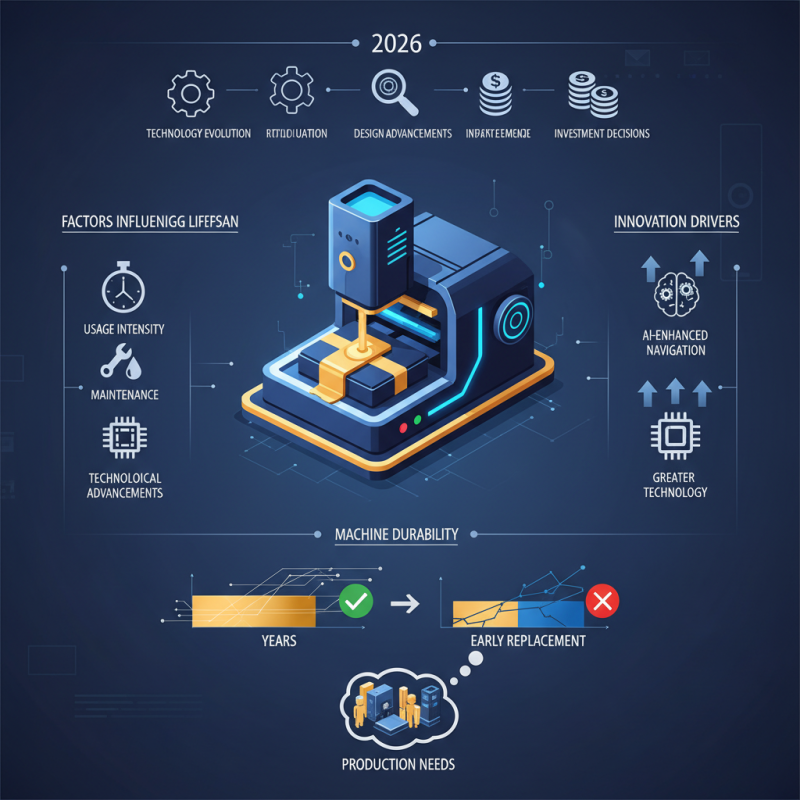
The lifespan of a digital bronzing machine in 2026 will hinge on several key factors. Regular maintenance is essential. Neglecting this can lead to significant downtimes, which may impair productivity. Industry reports indicate that proper care can extend a machine's life by up to 30%. Daily cleaning and calibration are crucial.
The technology used plays a vital role. Advanced components often provide better longevity. Data shows that machines with modular parts can be repaired easily, thus prolonging their overall life. Flat print machines, for example, are renowned for their durability. Yet, some users report issues with more complex models due to increased wear.
Tips: Always track your machine's performance metrics. Address irregularities immediately to avoid future problems. Don't overlook the value of operator training. A well-informed operator enhances machine efficiency. Remember: constant innovation can bring both opportunities and challenges. Regularly updating your technology might sometimes lead to unintended downtimes.
Digital bronzing machines stand on the brink of major technological advancements. In 2026, their lifespan may hinge on rapid innovations. These machines are becoming smarter every day. With integrated software, they now feature real-time analytics. Users can monitor performance easily and fix issues quickly.
The materials used in digital bronzing are evolving, too. Advanced metals and alloys enhance durability and longevity. However, not every innovation is perfect. Some materials may degrade with exposure to certain conditions. This could lead to unexpected equipment failures. Manufacturers must address these concerns seriously.
Moreover, user experience influences machine lifespan. As functionality improves, clients expect more intuitive controls. If machines become too complex, users may struggle. Training is essential but often overlooked. Misuse can shorten a machine’s life. Therefore, ongoing support and education are crucial in this ever-changing landscape.
Digital bronzing machines are changing the graphics and printing industry. In 2026, their lifespan can be influenced heavily by regular maintenance. Reports show that proper care can extend a machine's lifespan by 30% or more. However, many users overlook crucial upkeep.
Regular cleaning is key. Dust and debris can build up, causing overheating. A quick daily wipe-down helps. Another vital practice is software updates. Machines often rely on updated features for optimal performance. Neglecting updates can lead to decreased efficiency.
**Tips:**
Change the oil as recommended. This simple act can prevent wear and tear. Keep an eye on calibration. Even small misalignments can cause big problems later on.
Educating staff on how to operate the machine properly is also essential. Misuse can shorten a machine's lifespan significantly. A recent study stated that up to 40% of issues arise from user errors. Awareness and training can mitigate this risk.
The lifespan of digital bronzing machines varies significantly across brands. Some machines may last around three years, while others can reach five or more. Factors such as build quality and maintenance are crucial. A poorly maintained machine may fail earlier than expected.
Tips: Regular cleaning is essential. Dust and debris can clog parts and reduce efficiency. Consider creating a maintenance schedule to ensure longevity.
Comparing brands reveals varying levels of reliability. Some machines offer robust features but may come with a shorter lifespan. Others may be basic yet prove to be more durable. Users often need to weigh the cost against expected longevity and features.
Tip: Research user reviews. They can provide insight into real-world performance and lifespan. Always choose models with a proven track record.
In essence, understanding the nuances of brand offerings is important. A short lifespan might make a high-cost machine a bad investment. Take time to explore, reflect, and select wisely.
The digital bronzing machine's lifespan in 2026 is a crucial topic. As technology evolves, so do the materials used in these machines. Generally, a well-maintained machine can last up to five years. However, usage intensity and maintenance practices are key factors.
Regular inspections can extend the machine's functionality. This includes checking for wear and tear, ensuring software is updated, and cleaning components regularly. Dust can accumulate easily, impacting performance. Users should track usage hours to predict when parts may need replacement. This proactive approach can save costs and enhance the machine's durability.
Many users overlook the importance of proper training. Operating a digital bronzing machine requires skill. Untrained staff may misuse the equipment, leading to faster degradation. Investing in training programs can make a difference. Remember, a small error can lead to significant damage. Reflect on your current usage practices to identify areas for improvement. Adopting a more careful approach can greatly benefit the lifespan of your equipment.
: Key factors include regular maintenance, technology, and user experience. Neglecting maintenance can cause significant downtimes.
Regular maintenance can extend a machine's life by up to 30%. Daily cleaning and calibration are crucial.
Advanced components often provide better longevity. Modular parts help with easier repairs.
Flat print machines tend to be more durable. Some complex models face issues due to increased wear.
Operator training is vital. A well-informed operator can address irregularities and improve performance.
Constant innovation can lead to unintended downtimes. Not all advancements are beneficial for every user.
Advanced metals improve durability. However, some materials degrade under specific conditions, causing failures.
Track performance metrics regularly. Address any irregularities immediately to prolong the machine's lifespan.
Ongoing support aids in user training. Misuse from lack of knowledge can shorten a machine’s life.
Yes, users expect intuitive controls. If machines are too complex, it can lead to misuse and potential damage.
As the digital printing industry evolves, a key question arises: what is the lifespan of a digital bronzing machine? Several factors influence the longevity of these machines, including technological advancements, which introduce more efficient components and smarter functionalities. Regular maintenance practices are essential in extending the operational life of these devices, ensuring they remain reliable and effective for longer periods.
A comparative analysis reveals variances in lifespan across different models, highlighting the importance of build quality and technology used. Looking forward to 2026, projections suggest that ongoing innovations will significantly enhance the durability and performance of digital bronzing machines, making them a more sustainable investment for businesses in the graphic arts sector.
