Imago Printer Imago Printer

Top 10 Tips for Choosing Screen Printing or Digital Foil Stamping?

Time:2026-05-01 Author:Liam
0%

Choosing the right printing method can significantly impact your project’s outcome. Understanding how to choose between screen printing and digital foil stamping is essential. Each technique has its unique benefits that cater to different needs. For instance, screen printing is perfect for bulk orders and vibrant colors. It often results in a more durable finish. On the other hand, digital foil stamping offers precise details and luxurious finishes. It shines where high-quality visuals are a priority.

Consider the materials you will use. Screen printing works well with various fabrics and surfaces, while digital foil stamping may excel on paper and card. Think about your overall budget. Screen printing often requires upfront costs, especially for setup. Digital foil stamping might be more cost-effective for smaller runs.

Evaluating your project’s requirements helps you make a more informed decision. Pay attention to details like turnaround time, color vibrancy, and production volume. Both methods have their pros and cons, and the choice is not always clear. Reflect on how your project can benefit from one technique over the other. Your decision can shape the final product and its reception in the market.
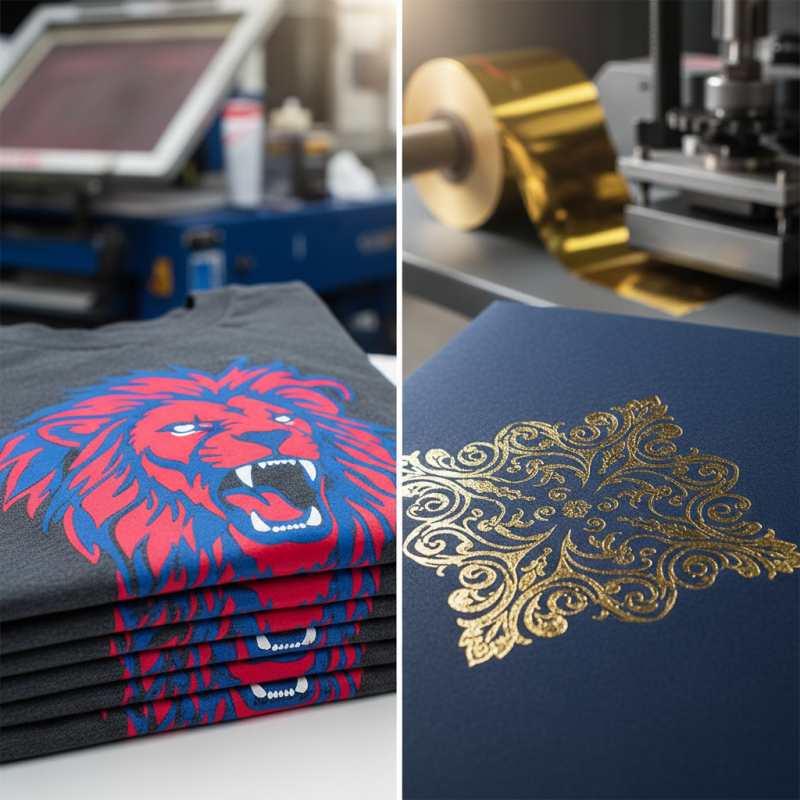
Top 10 Tips for Choosing Screen Printing or Digital Foil Stamping?

Understanding Screen Printing vs. Digital Foil Stamping Techniques

When it comes to printing techniques, understanding the differences between screen printing and digital foil stamping is crucial. Screen printing is a traditional method, ideal for bold, vibrant colors and designs. It works well for larger quantities, making it cost-effective for bulk orders. Each color requires its screen, which can increase setup time. However, it provides durability and a tactile element, perfect for textiles.

Digital foil stamping, on the other hand, offers precision. This technique allows for intricate designs with metallic finishes, giving products a luxurious look. It's excellent for smaller runs, as it requires no screens. Yet, it may not match the durability of screen printing on fabric. The initial costs can be higher, and color replication may vary.

Consider these tips when choosing your technique. Think about your project size and budget. Screen printing is great for large orders, while digital foil is best for special, limited runs. Assess the desired finish—do you want a shiny metallic look or a matte texture? Finally, factor in the timeline. Screen printing takes longer due to the setup but is perfect for long-term projects. Choose wisely based on your needs and the message you want to convey.

Top 10 Tips for Choosing Screen Printing or Digital Foil Stamping

Tip Screen Printing Digital Foil Stamping
1. Consider Material Compatibility Works well on various fabrics Best on coated or glossy materials
2. Evaluate Quantity Needs Cost-effective for large runs Ideal for smaller orders
3. Assess Design Complexity Best for bold and simple designs Handles intricate designs well
4. Understand Production Time Longer setup time Quicker turnaround
5. Check Color Options Limited to spot colors Full-color printing available
6. Analyze Cost Per Print Lower cost per unit at high volumes Higher cost per unit, but no setup fees
7. Think of Environmental Impact Uses plastic-based inks More eco-friendly options available
8. Consider the Final Look Matte finish with texture Shiny, reflective finish
9. Look into Durability Highly durable on fabrics May wear off faster over time
10. Prepare for Customization Limited customization available Highly customizable options

Assessing Your Project Requirements and Expectations

When considering screen printing or digital foil stamping, it's essential to assess your project requirements and expectations carefully. Start by defining your goals. Are you aiming for vibrant colors or metallic finishes? This clarity will guide your decision-making process. Each method offers unique benefits and drawbacks, and understanding these can significantly impact the outcome.

Think about the materials you'll be working with. Screen printing works well on various surfaces, while digital foil stamping excels with certain types of paper. This nuance may influence your choice. It’s important to reflect on your budget, as costs can vary widely. Gathering quotes from suppliers can help determine which option fits your financial plan.

Consider your project's scale. Small runs may suit digital methods better, while larger volumes might benefit from screen printing's efficiency. It's also vital to address timelines. Sometimes, quick turnarounds lead to compromises in quality. Reflect on the importance of perfection versus a deadline. Clearly articulating these factors will lead to a more informed decision, ensuring your expectations align with the finished product.

Top 10 Tips for Choosing Screen Printing or Digital Foil Stamping

Evaluating Material Compatibility for Printing Methods

Choosing between screen printing and digital foil stamping requires a keen understanding of the materials involved. Evaluating material compatibility is vital for achieving high-quality results. For instance, certain fabrics may react poorly to heat or chemicals used in screen printing. According to the Printing Industry Association's report, 71% of failed print jobs stem from material mismatches.


When selecting a printing method, consider these tips. First, check the fabric composition. Natural fibers often excel with screen printing, while synthetic materials may favor digital foil stamping. The texture of the material also impacts print clarity. A smoother finish tends to produce better results.


Conduct tests on sample materials whenever possible. A small experiment can reveal compatibility issues before committing to a large batch. Additionally, consult with experienced professionals. They can provide insights based on previous projects. Remember, even a minor oversight can lead to significant waste and increased costs.

Analyzing Cost Factors and Budget Constraints

When considering screen printing or digital foil stamping, cost is a vital factor. According to industry reports, screen printing costs range from $1.50 to $5.00 per unit, depending on design complexity. Digital foil stamping typically presents initial higher setup costs. These can go from $1,000 to $3,000. Evaluating your budget is essential before making a decision.

Understanding your project’s scope helps in cost analysis. Set realistic expectations based on quantity and customization. If you have large orders, screen printing can be more economical. Smaller runs often benefit from digital foil stamping. This method allows intricate designs without hefty setup fees.

Tip: Always request quotes from multiple suppliers. It provides a clearer picture of market rates. Another tip is to plan for potential hidden costs, like shipping or additional setup charges. Cost management is about foresight. Reflect on your budget restrictions and adjust your design accordingly.

Exploring Design Complexity and Detail Considerations

When choosing between screen printing and digital foil stamping, design complexity is pivotal. Screen printing excels with large, bold designs that don’t require intricate detail. This method uses stencils, which can limit the complexity of shapes. Consider the colors. Screen printing often requires separate screens for each color, making it less practical for vivid and detailed designs.

On the other hand, digital foil stamping shines in its ability to handle intricate details. It is ideal for designs featuring fine lines and complex graphics. This method applies foil directly onto the substrate with precision, retaining the fidelity of your vision. However, keep in mind that not every design translates perfectly. What looks good on a screen may lose its impact in print.

Balancing these methods requires careful consideration. Do you prioritize a striking aesthetic, or can your concept thrive with simpler visuals? A thoughtful approach ensures your final product meets both your vision and production capabilities. Discerning the right method based on design complexity can lead to a more successful print outcome.

FAQS

: What is screen printing good for?

: Screen printing is ideal for bold, vibrant colors and larger quantities. It's cost-effective for bulk orders.

How does digital foil stamping differ from screen printing?

Digital foil stamping offers precision for intricate designs. It creates a luxurious metallic finish, but may cost more initially.

Can screen printing handle intricate designs?

Screen printing is less suitable for intricate details. It works better with large, bold designs.

What factors should I consider when choosing a printing method?

Consider project size, budget, desired finish, and timeline. Each method has its strengths.

Why might the color vary in digital foil stamping?

Color replication in digital foil stamping can vary. It's not always the same as what you see on screen.

Is screen printing durable?

Yes, screen printing provides durability, especially for textiles. It offers a tactile quality that lasts.

Can I use digital foil stamping for large orders?

Digital foil stamping is best for smaller runs. It's not cost-effective for large orders like screen printing.

What should I do if my design doesn't translate well to print?

Re-evaluate your design's complexity. A simpler, bolder approach may better suit screen printing or digital foil.

How long does screen printing take compared to digital foil stamping?

Screen printing takes longer due to setup time. Digital foil stamping is quicker for smaller projects.

What finish do I get from screen printing?

Screen printing often provides a matte texture. Digital foil stamping delivers a shiny metallic look.

Conclusion

When considering how to choose between screen printing and digital foil stamping, it's essential to understand the distinct techniques involved in each method. Screen printing offers versatility and is well-suited for large runs and bold designs, while digital foil stamping provides a high-end finish with intricate details suitable for smaller quantities. Assess your project requirements and expectations to determine which method aligns best with your goals.

Material compatibility is another critical factor; ensure that your chosen method works well with the substrates you'll be using. Additionally, analyze the cost factors and budget constraints associated with each printing method, as this will impact your decision. Finally, consider the complexity of your design—screen printing may be more efficient for simpler graphics, whereas digital foil stamping excels in detailed and sophisticated designs. By weighing these elements, you can make an informed choice that meets your project's needs.

Liam

Liam

Liam is a dedicated marketing professional with a profound expertise in the industry, where he excels at highlighting the unique advantages of our core products. With a keen understanding of market trends and consumer needs, Liam frequently updates our company’s professional blog, providing......