Imago Printer
What are the environmental benefits of digital screen printing? This question matters as brands face rising pressure to reduce waste, water use, and chemical consumption. Digital screen printing, often used to describe digitally controlled textile printing, can reduce several impacts linked to conventional production. It applies ink only where the design requires it. That means fewer leftovers on the worktable.
Debbie McKeegan, a recognized digital textile printing specialist, has said, “Digital printing enables more sustainable, on-demand production.” Her view reflects a practical change in manufacturing. Businesses can produce smaller batches instead of storing thousands of unwanted garments. Fewer screens may also reduce preparation materials, cleaning solvents, and setup waste. Some water-based digital inks require less washing than traditional processes. The difference can be visible. A printer may complete a short order without preparing multiple screens or discarding excess ink.
The benefits are not automatic. Machines still consume electricity, and ink cartridges require responsible disposal. Fabric choice, curing temperature, transport distance, and factory energy sources also influence the final footprint. Digital printing can reduce waste, but it cannot make every product sustainable. That deserves attention.
This introduction explores ten environmental benefits of digital screen printing. It examines water savings, lower chemical use, reduced overproduction, efficient ink placement, and lighter logistics. It also considers energy demand and end-of-life concerns. The evidence should be measured, not assumed. Real sustainability depends on transparent data, verified ink standards, efficient equipment, and responsible purchasing decisions.
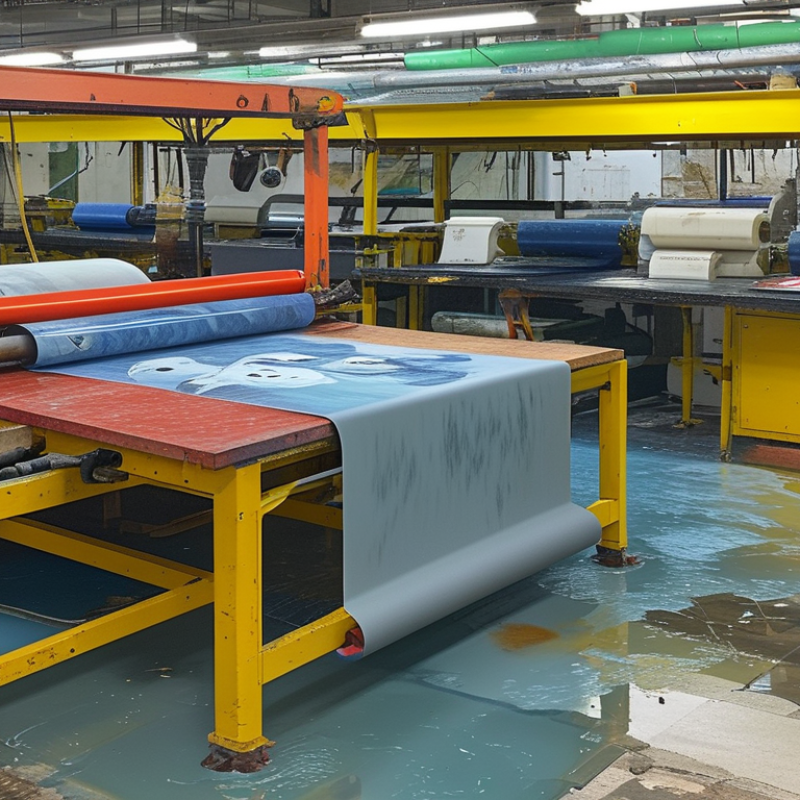
Digital screen printing places ink only where the artwork requires it. This reduces overspray, excess coating, and setup losses. Traditional processes may need screens, test sheets, and repeated adjustments before production begins. Digital files can shorten that preparation stage. The U.S. Environmental Protection Agency reported 67.4 million tons of paper and paperboard entered municipal waste streams in 2018. Better print accuracy cannot solve that entire problem. It can, however, prevent avoidable sheets from becoming waste.
Inkjet systems also support variable data and short production runs. Printers can produce closer to the confirmed order quantity. This reduces obsolete stock, especially for seasonal graphics or rapidly changing packaging. Smithers’ 2023 digital textile printing analysis identifies shorter runs and on-demand production as major adoption drivers. Less leftover fabric means fewer unused rolls sitting in storage. The improvement depends on calibration. A blocked nozzle, incorrect color profile, or careless test run still creates scrap. Digital is not automatically waste-free.
Tips: Measure ink usage per square meter. Record test sheets, rejected pieces, and unused substrates. Use automated nozzle checks before production. Keep a small approval sample, not a full duplicate run. Review the data monthly. Sometimes the smallest loss is the easiest to overlook.
Top 10 Environmental Benefits of Digital Screen Printing?
Lower Water Consumption Compared with Traditional Screen Printing
Digital screen printing can reduce water use because it removes several screen-related washing stages. Traditional screen printing often requires mesh preparation, stencil washout, ink removal, and screen reclamation. Each step may send pigment, emulsion, and cleaning residue into wastewater. Digital equipment applies artwork directly, so there are fewer screens to prepare and rinse.
This difference becomes clear in short production runs. A workshop printing a small batch may use water cleaning several screens, even when only a few garments are produced. Digital production avoids much of that repeated washing. It can also reduce setup waste when designs change frequently. Less washing, less wastewater.
The benefit is not automatic. Digital systems still need pretreatment, nozzle maintenance, and occasional cleaning. Some fabrics demand extra preparation, especially dark or heavily textured materials. Operators should record water used per printed square metre, not rely on general claims. Comparing the same fabric, image size, and production volume gives a more reliable result. In my experience, careful maintenance matters as much as the machine itself. Poor cleaning routines can quietly weaken the environmental advantage.
Water savings should also be assessed beside ink chemistry, electricity use, packaging, and garment sourcing. A lower-water process is valuable, but it is only one part of responsible printing. Industry guidance and verified wastewater records can help manufacturers make credible claims.
Digital screen printing can reduce energy demand by removing several heat-intensive steps. There are no metal plates to expose, wash, dry, or replace. Short runs also avoid long press warm-ups and repeated colour setups. The U.S. Environmental Protection Agency and Department of Energy report that certified imaging equipment uses about 30% less energy, on average, than standard models. This is not a guarantee for every digital press. Still, it shows what efficient power management can achieve. In a production room, the difference appears as less idle heat near the dryer and fewer hours with compressors running. Small changes matter.
The European Commission’s 2021 Product Environmental Footprint method treats manufacturing electricity as a measurable life-cycle input. That supports tracking press power, curing time, ventilation, and standby loads—not just ink consumption. A practical audit should record kilowatt-hours per printed square metre, job length, substrate, and drying temperature. Digital workflows often perform best on variable, short orders, where setup waste and warm-up energy are high. Yet the claim needs restraint. A poorly calibrated dryer or oversized machine can erase the benefit. Some shops overlook servers and air conditioning. The uncomfortable part is this:
“digital” sounds efficient, but measured results may disagree.
Energy data must be checked at the socket, not assumed from a product label.
Top 10 Environmental Benefits of Digital Screen Printing?
Reduced Chemical Use and Fewer Harmful Emissions
Digital screen printing can reduce chemical demand by removing several preparation steps. Traditional screen production often requires emulsion coating, stencil washing, reclaiming agents, and solvent-based cleaners. Digital systems apply ink directly, so fewer containers of wash chemicals sit beside the press. The European Commission’s 2023 Best Available Techniques reference document identifies digital textile printing as a method that can reduce print-paste preparation and cleaning requirements. The benefit depends on the ink type and production volume.
The U.S. Environmental Protection Agency’s AP-42 guidance lists cleaning solvents and solvent evaporation as important VOC sources in screen-printing operations. Fewer solvent-heavy cleaning cycles can therefore mean fewer fumes around workers and lower workplace exposure. Some digital textile assessments report water reductions of 60–70% compared with rotary screen printing, especially for short runs. The exact saving changes with pretreatment, curing, and fabric choice. That matters.
Digital inks are not automatically harmless. Some require pretreatment, heat curing, or specialized disposal controls. Poorly maintained printheads can also create waste and extra cleaning. Operators should measure ink consumption, VOC levels, wastewater load, and rejected fabric instead of repeating attractive percentage claims. Environmental gains are real, but they need records, not assumptions.
| No. | Environmental Benefit | Relevant Data Dimension | Data Point | Environmental Significance |
|---|---|---|---|---|
| 1 | Reduced ink waste | Ink consumption | Ink is deposited only where the artwork requires it; unused mixed ink and screen leftovers can be avoided. | Less surplus ink reduces material consumption and the volume of ink-contaminated waste requiring disposal. |
| 2 | Fewer screen-making chemicals | Prepress chemical use | Digital workflows do not require a separate screen, stencil, photographic film, or emulsion for each design. | This can reduce the use of emulsions, film-processing chemicals, reclaiming agents, and screen-coating materials. |
| 3 | Lower cleaning-water demand | Process water | There is no routine screen flooding, stencil washing, or color-change cleaning for every job. | Lower wash-water demand can reduce wastewater generation and the treatment load associated with ink residues. |
| 4 | Fewer volatile emissions | VOC emissions | Water-based and some other low-VOC digital ink systems use water or reactive components instead of large quantities of solvent carriers. | Lower solvent evaporation can improve indoor air quality and reduce atmospheric VOC release, subject to the ink formulation. |
| 5 | Less wastewater contamination | Chemical oxygen demand and color load | Eliminating screen cleaning and ink-recovery steps can reduce the amount of pigment, binder, and cleaning solution entering wastewater. | A smaller contaminant load may reduce wastewater-treatment requirements and the risk of untreated discharge. |
| 6 | Lower setup-material consumption | Make-ready materials | Digital production generally avoids screen frames, registration sheets, test pulls, and repeated setup substrates. | Reduced make-ready consumption can lower solid waste, especially for short runs and frequent artwork changes. |
| 7 | Lower risk of hazardous chemical exposure | Worker and facility exposure | Removing solvent cleaning, emulsion removal, and screen-reclaiming steps can reduce handling of chemical products. | Fewer chemical-handling operations can reduce spill risks and occupational exposure, although ink safety depends on the specific formulation. |
| 8 | Reduced overproduction | Inventory and product waste | Variable-data and on-demand production allow smaller batches without the minimum quantities commonly associated with analog setup. | Producing closer to actual demand can reduce unsold printed products, obsolete designs, storage needs, and disposal impacts. |
| 9 | Lower transport-related emissions | Transport distance and logistics | Digital files can be transmitted electronically, and short-run work may be produced closer to the point of demand. | Shorter supply chains can reduce freight activity, but the actual carbon benefit depends on location, shipment method, and production volume. |
| 10 | Potentially lower energy use for short runs | Energy per printed unit | Digital printing can eliminate energy-intensive screen preparation and repeated make-ready operations for small or customized orders. | Energy savings are most plausible for short runs; long production runs may have different results because of printer speed, curing, drying, and electricity sources. |
Note: Environmental performance varies with substrate, ink chemistry, curing or drying technology, production volume, electricity mix, wastewater treatment, and end-of-life practices. The benefits listed above describe potential advantages compared with conventional screen-printing workflows and should be verified through a site-specific life-cycle assessment.
Digital screen printing supports longer product lifecycles through customized, on-demand production. Instead of filling a warehouse with one design, a producer can print smaller batches when demand is confirmed. This reduces overproduction, storage needs, and disposal of outdated products. It also helps seasonal graphics, event items, and replacement parts remain relevant without large inventory risks.
A practical production review should track material use, rejected pieces, energy consumption, and delivery distance. Smaller runs can reduce waste from unsold goods. Localized printing may also shorten shipping routes. Customized graphics can refresh uniforms, packaging, and displays, helping users keep products instead of replacing them. That extends the useful life of the base material.
Real results still depend on process control. Poor color matching can create reprints. Some inks, curing systems, and synthetic substrates carry environmental costs. That part deserves honesty. Regular equipment maintenance, accurate artwork approval, and recyclable material choices can reduce these weaknesses. In my experience, the best gains appear when teams print only what they need and measure every avoidable reprint. Less waste. Longer use. Better decisions.
It places ink only where the artwork needs it. This reduces overspray, excess coating, and setup sheets. Printers can match production more closely to confirmed orders. Waste still happens when nozzles clog or test runs continue too long.
Yes, shorter runs help prevent excess seasonal graphics and packaging. Printers can produce smaller quantities when demand is uncertain. Fewer unused rolls may remain in storage. Forecasting still fails sometimes.
Record ink use per square metre, test sheets, rejected items, and unused substrates. Check these figures monthly. Keep one small approval sample instead of repeating a full run. Small losses hide easily.
It can reduce energy by removing plate exposure, washing, drying, and replacement. Short jobs also need fewer long warm-ups and colour changes. Measure electricity per printed square metre. Do not trust the label alone.
Record press power, curing time, ventilation, compressors, servers, and air conditioning. Standby loads matter. A poorly adjusted dryer can erase expected savings. The socket tells the truth.
Direct ink application can remove several coating, washing, reclaiming, and cleaning steps. Fewer solvent-based cleaning cycles may reduce fumes near workers. Chemical savings depend on ink, fabric, pretreatment, and production volume. The benefit varies.
It may use substantially less water during short textile runs. Some assessments report reductions of 60–70% compared with rotary processes. Pretreatment, curing, and fabric choice change the result. A percentage without records proves little.
No. Some inks still need pretreatment, heat curing, or controlled disposal. Poor maintenance can create extra cleaning waste and rejected fabric. Track ink use, emissions, wastewater, and scrap. Digital is not waste-free.
What are the environmental benefits of digital screen printing? This modern printing method can reduce material waste by applying ink precisely, helping limit excess ink, misprints, and discarded substrates. Compared with traditional screen printing, it may also require less water because it reduces the need for extensive screen preparation, washing, and cleanup. These efficiencies can support more responsible resource use throughout the production process.
Digital screen printing can improve energy efficiency by simplifying workflows and reducing repeated setup procedures. It may also lower the need for certain chemicals, contributing to fewer harmful emissions and a cleaner working environment. In addition, customized and on-demand production helps manufacturers create only what is needed, reducing overproduction and unnecessary inventory. When products are designed for specific uses and produced with durable results, they can remain useful for longer, which may reduce replacement frequency and support a more sustainable product lifecycle.
