Imago Printer
Imago Printer
Imago Printer
Direct from our manufacturing facility, engineered to precise B2B commercial specifications.
The global print and graphics manufacturing domain is experiencing a profound transition from analog screen plate-making methods to high-performance, direct-to-substrate digital systems. As industrial supply chains seek agility, the requirements for high-resolution digital printers have advanced beyond basic dot-per-inch (DPI) metrics. Today, modern factories prioritize drops-per-dot modulation, advanced mechanical micro-stepping, dynamic waveform adjustment, and precise printhead thermal regulation.
For B2B buyers, global sourcing represents more than finding competitive capital expenditures. It centers on finding manufacturers capable of engineering reliable, high-yield machines that integrate smoothly into automated assembly workflows, reducing the overall Total Cost of Ownership (TCO).
High resolution ensures text legibility on small tags (e.g., RFID and microelectronics labels) and guarantees smooth color transitions for photographic prints in textile dye-sublimation and cosmetic packaging. Variable drop technology allows droplets as tiny as 3.5 picoliters to create fine, sharp details, while larger drops produce solid colors efficiently without banding.
The technical trajectory of high-resolution digital print systems for the next decade.
Silicon wafer MEMS manufacturing technology is driving printhead design forward. Thin-film piezo elements allow for denser nozzle arrays and higher firing frequencies, enabling machines like our dual-head I3200 configuration to maintain high output speeds without compromising resolution.
As standard regulatory policies like RoHS and REACH restrict volatile organic compounds (VOCs), ink technology is evolving. Digital dye-sublimation and UV LED curable formulations are designed to achieve bright, durable results on diverse media, minimizing environmental impact.
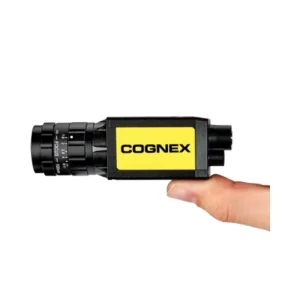
By integrating machine vision cameras (such as the Cognex IS8405m system) directly into the carriage path, printers can detect clogged nozzles, alignment issues, and media wrinkling dynamically. They apply automatic adjustments to prevent print waste.
Our manufacturing complex utilizes deep vertical integration to optimize lead times and lower material costs. By sourcing frame castings, linear guide rails, driver boards, and precision-machined assemblies locally in Shenzhen's technology corridor, we maintain strict quality control throughout production.
Shenzhen's industrial ecosystem is recognized for its responsiveness, engineering resources, and deep supply chain network. For global B2B buyers, this translates to faster turnaround times, customized configuration options, and strong support for machine parts availability.
This ecosystem is not just about raw volume; it is built on rapid prototyping and iterative improvement. If a client needs a modified vacuum table for heavy industrial wood printing or customized tension control systems for thin roll-to-roll substrates, Chinese manufacturing teams can prototype and deliver these adaptations within weeks, rather than months.
Analyzing how industrial digital printers perform across sectors, materials, and settings.
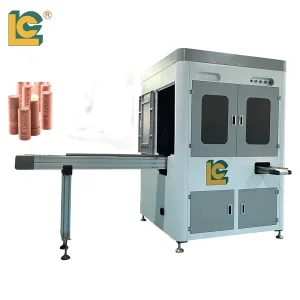
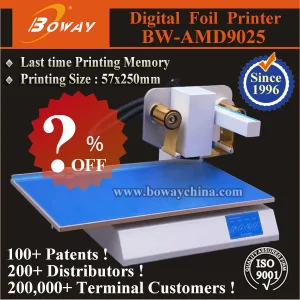
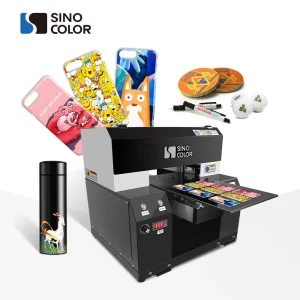
Cosmetics tubes, perfume glass containers, and pen barrels demand durable decoration that stands up to handling. Traditional screen printing requires physical plates, making short runs costly. Digital hot foil stamping and UV-LED direct-to-object printers resolve this bottleneck, allowing factories to output custom, high-definition designs directly on plastic, metal, or glass cylindrical substrates with precise spot varnishing.
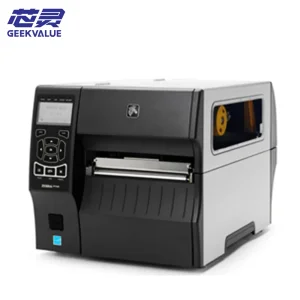
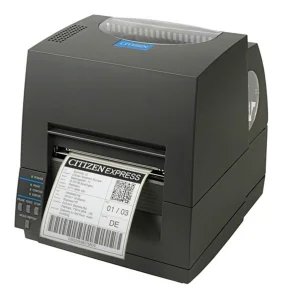
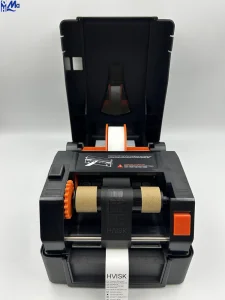
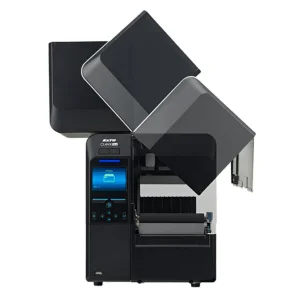
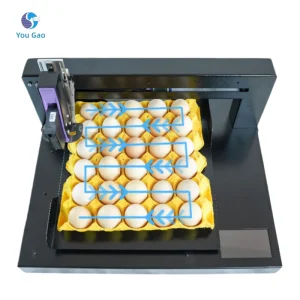
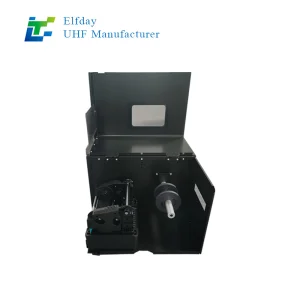
Industrial logistics and retail inventory rely on tracking technologies. High-resolution desktop thermal transfer printers and specialized inkjet modules print readable 2D barcodes, QR codes, and alphanumeric tracking codes directly onto RFID-enabled substrates. High-dpi heads ensure that even tiny font sizes remain readable by vision sensors, which helps prevent tracking errors in global logistics networks.
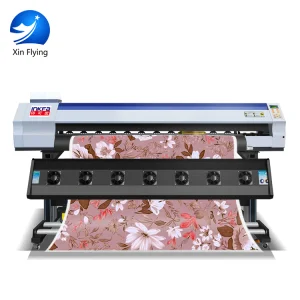
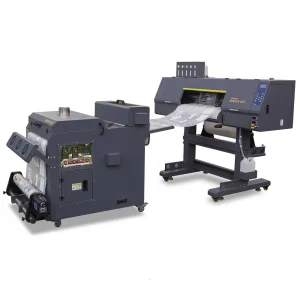
The fashion and home textile sectors continue to shift away from long-run rotary screen print systems toward digital dye sublimation and Direct-to-Film (DTF) technologies. 60cm DTF printers and fast 1.9m dye-sublimation systems enable fashion brands to run on-demand lines, reducing unsold inventory and fabric waste.
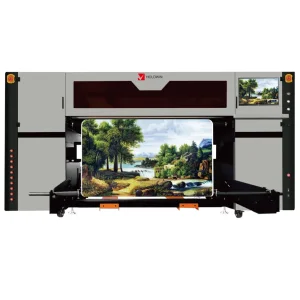
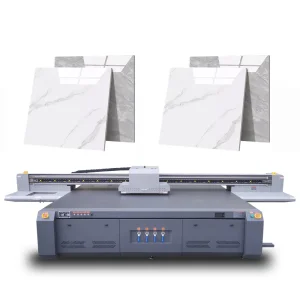
Custom panels and structured flooring are increasingly printed digitally. Large format flatbed printers allow direct ink deposition onto wood panels, concrete slabs, and composite boards. The cured UV ink resists moisture and UV fading, making it suitable for customized interior design and architectural elements.
Past, Present, and Future – Building a Stronger Community Through Innovation
In 2010, Shenzhen Diem Printer Equipment Co., Ltd. was established with a vision: not just to manufacture digital printing equipment, but to harness technology to create meaningful value for communities and industries alike. Our mission from the beginning has been to introduce cutting-edge digital printing innovations to the market, while promoting sustainable growth in the technology sector.
Over the years, we have evolved from a small startup into a leading company with a diverse business portfolio. Our team brings together a wide range of skills, innovative thinking, and a shared passion for excellence. By leveraging the unique perspectives and expertise of each team member, we continually push the boundaries of what digital printing technology can achieve.
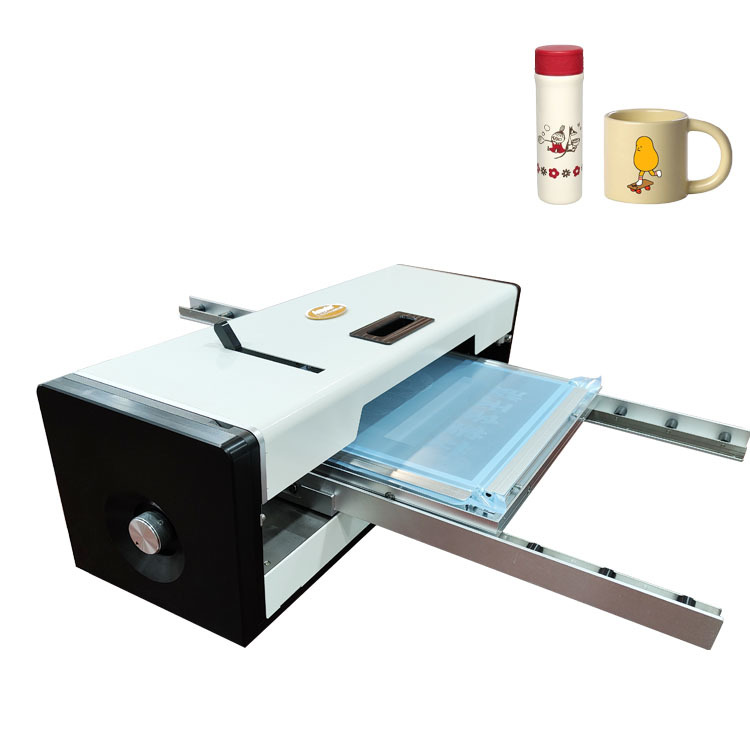
At Shenzhen Diem, we are committed to exploring and advancing the frontiers of digital printing. Our product lineup includes a wide array of digital printers, notably our digital silk screen plate making machines, which are designed to optimize efficiency, simplify workflows, and integrate environmentally friendly practices. Our equipment serves industries such as advertising, printing, and packaging, while also supporting sectors like handicrafts, electronics, and even the power system, demonstrating the versatility and broad impact of our technology.
For our key clients, we provide high-performance silk screen printing solutions capable of handling complex and large-scale printing tasks, empowering businesses to meet diverse market demands with precision and reliability.
We believe that extraordinary achievements happen when people unite around a common purpose. Our mission extends beyond technology: we aim to foster sustainable development where people, businesses, and the environment thrive together.
By harnessing collective wisdom and innovative thinking, Shenzhen Diem Printer Equipment Co., Ltd. remains steadfast in our brand promise: Creating Value Together. Through continuous improvement, innovation, and community engagement, we aspire to lead the industry while making a positive impact on society.
Learn More About Us
We didn’t just start a company to produce printers — we started a company to build a better future. At Shenzhen Diem, every innovation, every machine, and every collaboration reflects our commitment to creating value together, for our customers, our communities, and the world.
Importing industrial digital machinery requires strict compliance with target market safety, electrical, and environmental standards. Our factory line adheres to rigorous QA frameworks, ensuring all machines meet the necessary parameters for international operation.
We work to support our clients through international testing processes, providing documentation and certifications to help streamline importing and installation at your production site.
To reduce production downtime, we offer a dedicated service network, remote diagnostics support, and modular spare parts distribution.
Addressing the key technical questions raised by production managers and industrial buyers.
Explore our industrial printers, camera sensors, and labeling systems.