Imago Printer Imago Printer

China Wholesale High-Speed Label Printing Systems Factories & Factory

High-Throughput Digital Print Engine Performance, Global Sourcing Economics, and Advanced Variable Data Integration for Industrial Printing Applications

INDUSTRY INSIGHTS

Global Market Status: High-Speed Label Printing Systems

Analyzing the paradigm shift in packaging, logistics, and manufacturing supply chains.

The global label printing market is undergoing a significant transformation. Driven by the explosive growth of e-commerce, individualized packaging demands, and strict regulatory requirements for real-time tracking, traditional analog label printing (such as flexographic and offset) is increasingly giving way to high-speed digital label printing systems. Today's commercial and industrial sectors require high-performance, short-run versatility combined with speed that approaches analog standards.
⚙️

Massive Velocity Breakthroughs

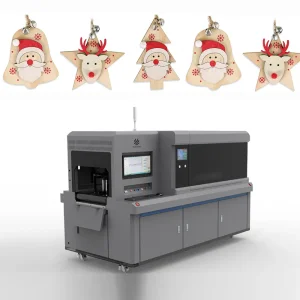
Modern single-pass digital UV and water-based inkjet systems now achieve print speeds exceeding 75 to 100 meters per minute without compromising structural registration or color consistency. This meets the speed needs of high-output assembly lines.

🎨

Variable Data & Serialization

Unlike analog presses that rely on physical plates, digital high-speed systems stream data in real-time, allowing every label to contain unique dynamic tracking codes, barcodes, security markers, and personalized graphic elements.

🌱

Eco-efficiency and Sustainability

On-demand printing eliminates massive label surplus waste. Furthermore, developments in energy-efficient LED UV curing lamps and water-based pigment inks drastically lower VOC footprints, meeting international green mandates.

650+
Global Systems Installed
1200 DPI
Ultra-High Precision Resolution
30%
Average Power Consumption Reduction
< 0.1s
Instantaneous UV LED Curing Time
CHINA FACTORY ECONOMICS

Why Sourcing from Shenzhen, China Offers Decisive Advantages

Unlocking supply chain integration, raw material access, and engineering scale.

China, particularly the technology manufacturing hub of Shenzhen, has established itself as the global epicenter for industrial digital printing system engineering. Sourcing wholesale from Chinese manufacturers provides significant competitive advantages that go beyond lower labor costs:

Full Supply Chain Integration

Shenzhen factories are situated within a vast ecosystem of precision component suppliers. From advanced linear motors, steel frames, and micro-electromechanical systems (MEMS) to specialized control board developers, every element is sourced within a 50-mile radius, speeding up manufacturing and delivery cycles.

Co-Development with Printhead Leaders

Top Chinese factories work closely with global printhead suppliers like Epson, Ricoh, and Kyocera. This enables local engineers to build optimized firmware configurations, maximizing print performance from printhead models such as the Epson i3200 and i1600.

Customized OEM/ODM Flexibility

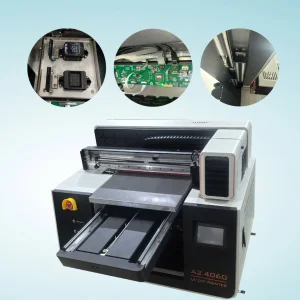
Whether you require a roll-to-roll eco-solvent printer adapted for heavy leather media, or a compact A3 UV flatbed custom-fitted with automated feeding systems for cosmetic labels, Chinese manufacturers are highly agile at tailoring equipment configurations to client specifications.

APPLICATION PROFILES

Localized Applications of Industrial Label Printing Systems

Analyzing cross-industry implementation case studies from pharmaceutical tracking to textile sublimation.

From micro-scale production lines to heavy-duty industrial warehouses, the versatility of advanced label print machinery plays a critical role in global business operations:

1. Waterproof Cosmetic & Chemical Product Labels

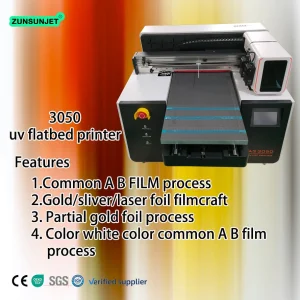
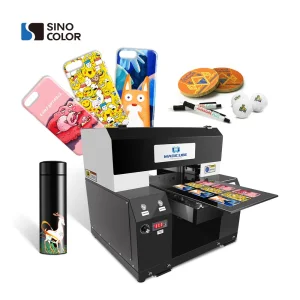
Cosmetics require high-end, eye-catching labels that resist water, oils, and physical handling. Compact A3 and A2 flatbed UV printers apply cured ink layers that form strong chemical bonds with PP, PE, and PVC substrates, delivering resilient labels with outstanding graphic depth.

2. Smart Logistics, Warehouse Sorting, & Barcode Identification

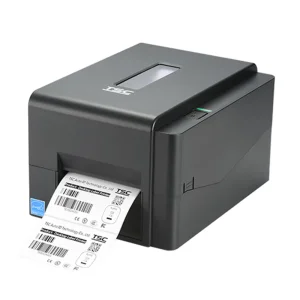
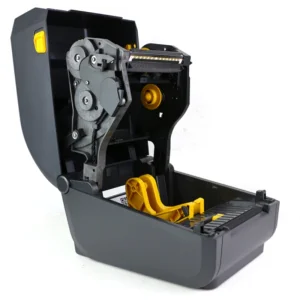
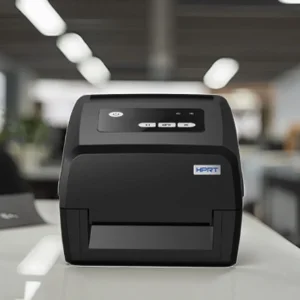
Modern logistical chains rely on thermal barcode printers (such as desktop 203 DPI to industrial 300 DPI transfer modules). These systems run continuously to generate thermal transfer shipping labels, RFID-integrated logistics stickers, and real-time inventory tracking codes.

3. Large Format Textile & Jersey Sublimation

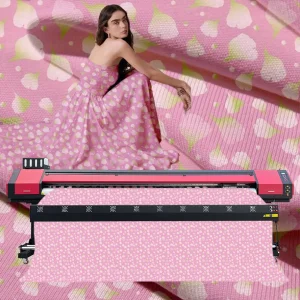
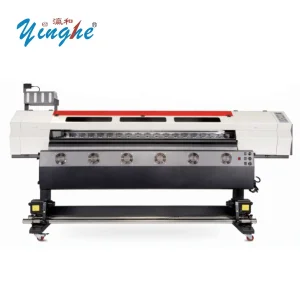
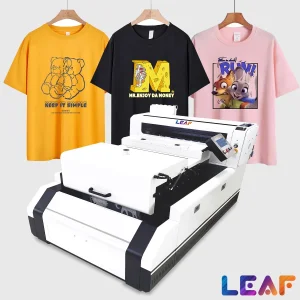
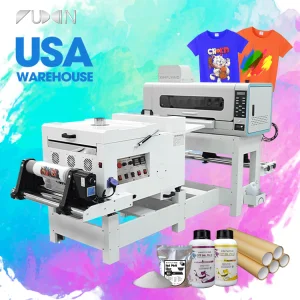
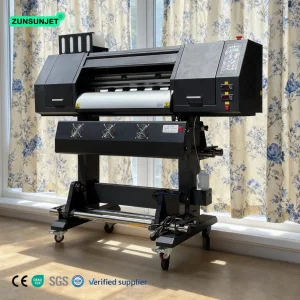
In high-speed digital textile manufacturing, sublimation printers equipped with multiple printheads (like the Yinghe 6 i3200 system) transfer high-definition graphic layouts onto carpets, apparel, and home fabrics at speeds of up to hundreds of square meters per hour.

4. Industrial Rigid Panel Decoration & Component Marking

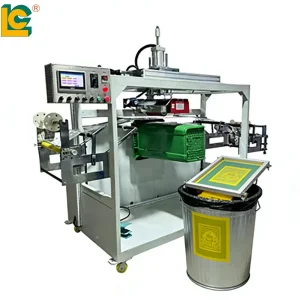
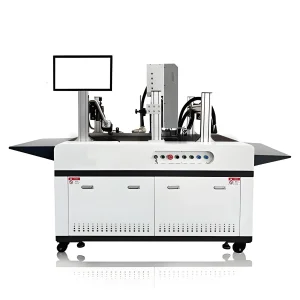
Beyond traditional paper and film labels, industrial single-pass UV printing setups allow direct print application onto plastic storage baskets, metal cases, and power utility components, replacing old-fashioned pad printing and labeling processes.

SOURCING DIRECTIVE

Enterprise Procurement: Key Decision Factors for High-Speed Print Systems

Critical metrics that global sourcing managers must evaluate before signing a contract.

Procuring high-speed label printing machinery requires a clear understanding of technical specifications. Balancing equipment features with long-term operating costs ensures a strong return on investment (ROI).

Printhead Life & Drop Control

Assess the printhead technology (e.g., Epson i3200 or XP600). Variable droplet sizes allow for fine font resolution down to 2-point sizes, while specialized ink-firing controls extend printhead life under multi-shift operation.

Curing & Drying Module Capabilities

High-speed printing requires instant ink curing. Review the specifications of LED UV lamp drying configurations to ensure they deliver complete ink cross-linking, preventing ink smudging at high line speeds.

Total Cost of Ownership (TCO)

TCO includes more than the initial purchase price. Evaluate ink consumption rates, replacement parts costs (like printheads and dampers), power usage, and the availability of local technical support to calculate long-term costs.

MANUFACTURER BIOGRAPHY

About Shenzhen Diem Printer Equipment Co., Ltd.

A decadelong legacy of digital printing innovation, manufacturing excellence, and strategic partnership development.

Past, Present, and Future – Building a Stronger Community Through Innovation

In 2010, Shenzhen Diem Printer Equipment Co., Ltd. was established with a clear vision: to look beyond simple manufacturing and harness advanced technology to create lasting value for communities and industrial sectors alike. Our mission from day one has been to bring cutting-edge digital printing innovations to the global market while supporting sustainable growth.

Over the years, we have grown from an agile local startup into a leading manufacturer with a comprehensive product portfolio. Our engineering team brings together deep industry expertise and a shared focus on quality. By leveraging these diverse technical strengths, we continue to develop new capabilities in digital printing technology.

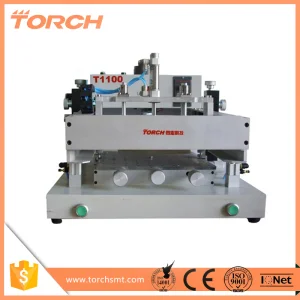
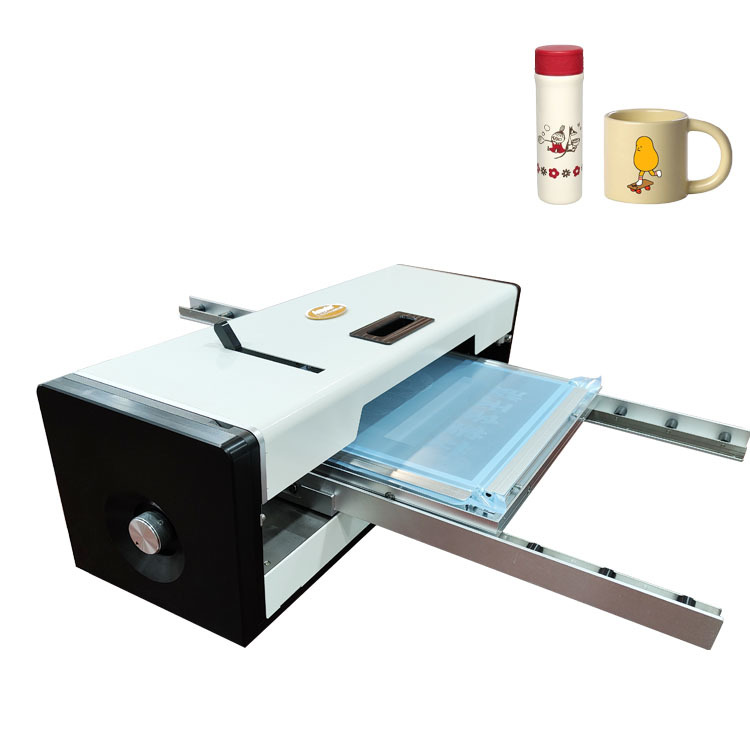
At Shenzhen Diem, we focus on exploring and advancing the frontiers of industrial digital print systems. Our product lineup includes a wide range of digital printing solutions, notably our digital silk screen plate making machines, designed to improve processing speed, simplify pre-press workflows, and integrate environmentally friendly practices. Our equipment serves diverse fields—from commercial advertising, printing, and packaging to handicrafts, electronics, and power distribution systems.

For our key global clients, we deliver high-performance silk screen printing solutions engineered to handle complex, large-scale production runs, enabling businesses to meet demanding performance specifications with precision and reliability. We believe that lasting achievements are built on close collaboration. Through continuous improvement and customer partnership, we aim to lead the industry in creating shared value.
Shenzhen Diem Factory Facility & Advanced Assembly Line
TECHNICAL Q&A

Frequently Asked Questions: High-Speed Label Printing Systems

Resolving key technical and commercial inquiries regarding operations, technology, and imports.

What are the main advantages of piezo drop-on-demand (DoD) printheads in high-speed label systems? +
Piezoelectric Drop-on-Demand (DoD) printheads (such as Epson i3200 or Kyocera) use physical mechanical impulses from electric signals to eject ink droplets. This method does not generate heat, which protects the physical structure of the ink. It allows for the use of diverse ink chemistries, including UV-curable, solvent-based, and water-based inks, while maintaining consistent droplet size and precise dot placement at high running speeds.
How does the LED UV lamp drying system benefit modern printing workflows? +
Unlike older mercury arc lamps, LED UV lamp drying systems cure inks instantly at narrow, targeted wavelengths (typically 395nm). This process produces minimal heat, allowing for the printing of thin, heat-sensitive plastics without warping. Additionally, LED UV systems consume up to 50% less energy, turn on and off instantly without preheating cycles, and have a operational lifespan exceeding 20,000 hours.
Can eco-solvent large format printers handle industrial label printing substrates? +
Yes, digital roll-to-roll eco-solvent printers (especially dual-head models like the 3.2m XP600 system) are excellent for outdoor-grade, high-durability labeling needs. They print directly onto vinyl, PVC films, canvas, and leather, producing labels that resist UV fading, water, and abrasions without needing lamination.
What is a "single-pass" UV digital printing system, and how does it work? +
A single-pass UV printing system uses a stationary bar of printheads arranged across the print width. The substrate moves continuously beneath this printhead assembly. Because the print carriage does not need to sweep back and forth, printing speeds are limited only by the ink's curing time and feeding mechanics, allowing systems to reach speeds of up to 150 meters per minute.
How does Shenzhen Diem ensure the mechanical precision of its printing equipment? +
Shenzhen Diem utilizes high-precision CNC machining for its steel structures, along with industrial linear guide rails and specialized servo motors. This design minimizes mechanical vibrations during high-speed operation, keeping media feeding and ink drop placement accurate within a 0.01mm tolerance.
What maintenance is required to prevent printhead clogging in industrial setups? +
Industrial digital printers require regular maintenance. This includes automated capping stations to keep printheads hydrated during idle hours, routine wet wipes using specialized cleaning solutions, daily test prints to check nozzle status, and regular air filtration maintenance to keep dust out of the printing area.
Are Chinese-made high-speed printers compatible with global RIP software like Onyx or Caldera? +
Yes, our industrial printers are built on standard control architectures compatible with major international Raster Image Processor (RIP) platforms, such as Onyx, Caldera, PhotoPrint (Flexi), and Maintop. This compatibility makes it easy to integrate the machines into existing print shop workflows and color-management profiles.
What after-sales and technical support do you offer to international buyers? +
We provide comprehensive technical support for global clients. This includes structured installation guides, online video troubleshooting, direct developer support via messaging platforms, ready access to spare parts (shipped via express carriers), and custom OEM configurations to ensure smooth integration with your local systems.