Imago Printer
Imago Printer
Imago Printer
Discover our primary lineup of performance-driven equipment designed to elevate labeling accuracy, packaging personalization, and visual branding across global business verticals.
In the era of hyper-localized logistics, smart packaging, and distributed manufacturing, the reliance on high-durability desktop printing hardware has reached an all-time high. Procurement teams must navigate complex trade-offs between unit cost, long-term reliability, and technological agility.
Achieving permanent mark durability through wax-resin and full resin ribbons. Essential for tracking items traversing challenging global shipping routes or exposed to environmental stressors like moisture and UV light.
Unlike direct thermal printers, which degrade rapidly under heat, modern desktop thermal transfer units print on paper, synthetic films, textiles, and tags. This versatility reduces capital expenditure and simplifies operator training.
By isolating the wear and tear onto a replaceable ribbon substrate, the underlying thermal printheads (TPH) last up to three times longer. This optimization protects enterprise profit margins and minimizes unexpected downtime.
Building a Stronger Community Through Innovation — Past, Present, and Future
Founded in 2010, Shenzhen Diem Printer Equipment Co., Ltd. emerged with a transformative vision: to design and build digital printing equipment that delivers tangible value to businesses, local communities, and the environment. Over more than a decade, we have evolved from a specialized manufacturer into a globally recognized tech provider with a diverse, high-performance portfolio.
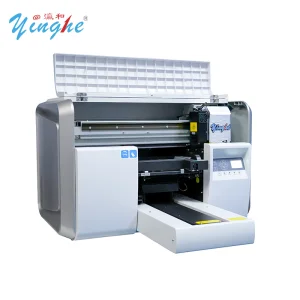
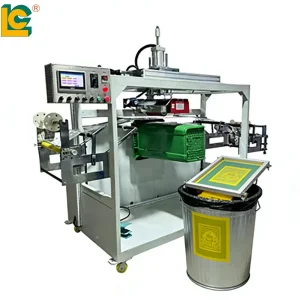
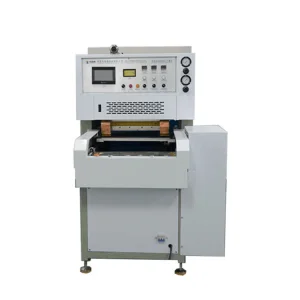
Our commitment to continuous innovation guides our exploration of digital printing frontiers. Our engineering capabilities span desktop barcode marking units, high-speed textile machines, and specialized digital silk screen plate making machines. These advanced solutions are engineered to simplify workflows, eliminate toxic chemical byproducts, and improve energy efficiency.
Today, our equipment serves critical needs in diverse sectors, including advertising, retail, electronics packaging, industrial manufacturing, and power grid labeling systems. By maintaining strict control over our manufacturing processes, we deliver print precision and reliability to clients managing large-scale industrial projects.
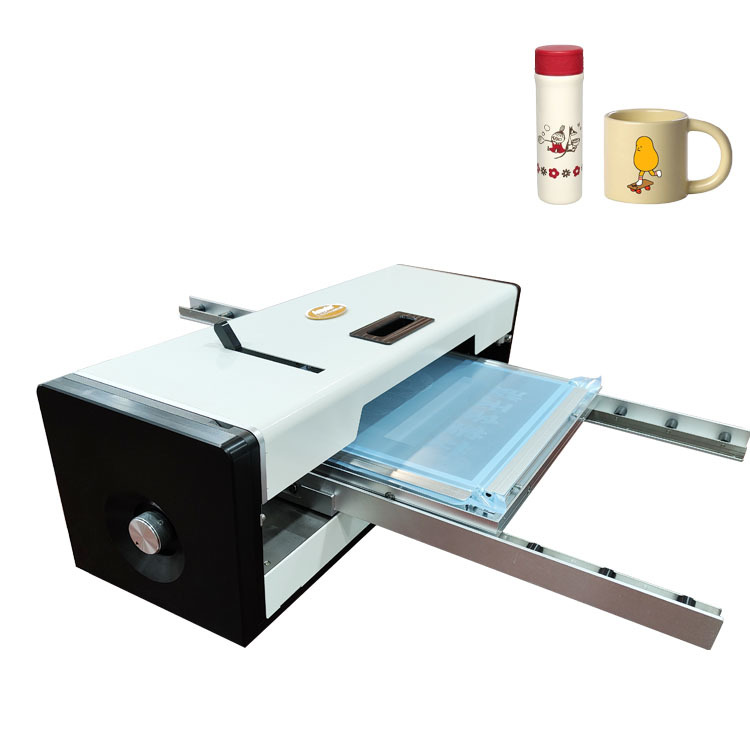
The market for desktop label printers is moving away from basic, standalone hardware toward interconnected edge devices. Below are the key technological advancements shaping modern factory floors.
Modern print infrastructure relies on direct communication with ERP systems like SAP, Oracle, and Microsoft Dynamics. Web-based API architectures allow print commands to be deployed globally to any connected unit on the factory floor.
Smart factories require real-time product tracking. High-end desktop transfer printers now integrate RFID write modules, encoding UHF/HF tags at the point of label printing to prevent inventory loss.
Eco-conscious brands require biodegradable carrier films and toxic-free wax formulations. Clean, plate-free stencil designs and power-saving sleep cycles help reduce waste throughout the product lifecycle.
Sourcing machinery from overseas factories involves assessing key criteria beyond the initial price tag. Our manufacturing protocols address the critical requirements of global procurement teams:
Industrial operations rely on dimensional consistency. Our desktop units maintain consistent media tension and stable print temperatures, ensuring barcode print quality meets ANSI/ISO grading requirements.
New hardware should fit into existing workflows. Our printers natively support industry-standard print languages (ZPL, EPL, DPL), enabling plug-and-play integration without reprogramming custom middleware.
Downtime is costly. Platen rollers, drive belts, and printhead arrays are designed for tool-less replacement. This simplifies on-site maintenance and minimizes operational delays.
We manage compliance requirements proactively. Every export model is fully certified for safety and environmental regulations, including CE, RoHS, and FCC marks, helping streamline customs clearance.
We believe in transparent engineering development. Here is how Shenzhen Diem continues to refine printing technologies to meet future industrial challenges.
Established Shenzhen Diem. Focused on digital stencil and custom plate-making machines, establishing core competency in thermal element configuration and substrate control.
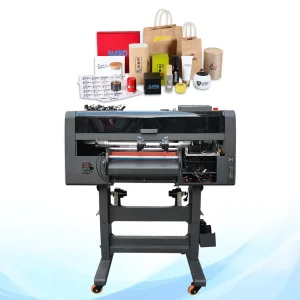
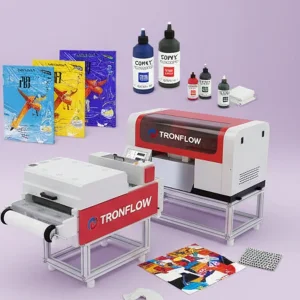
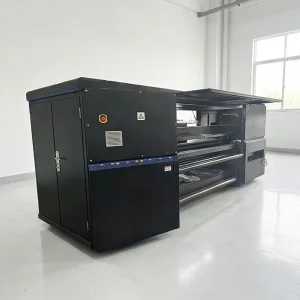
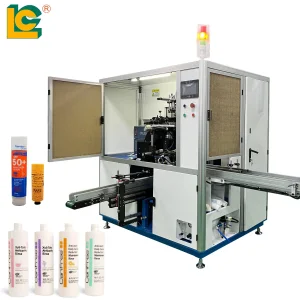
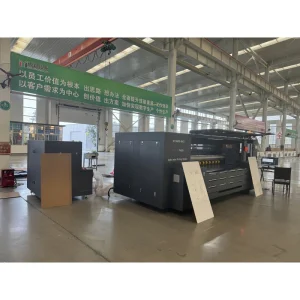
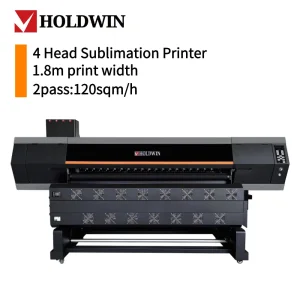
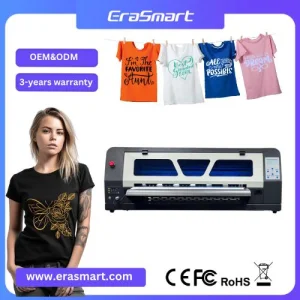
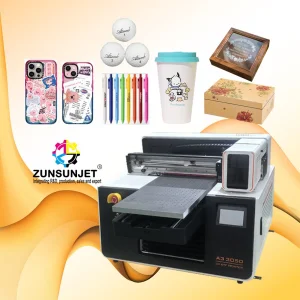
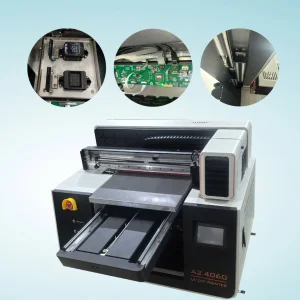
Expanded into large-format fabric sublimation, UV DTF platforms, and specialty digital screen print systems, refining high-resolution print control algorithms.
Integrated Ethernet, Wi-Fi, and Bluetooth connectivity across our product lines, adding predictive maintenance diagnostics and cloud-based firmware management.
Focusing research on solvent-free ribbon alternatives, low-power thermal printhead configurations, and biodegradable labels to support environmental goals.
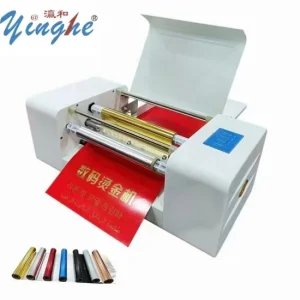
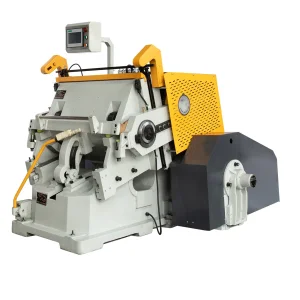
Explore our expanded machinery catalog, featuring hot foil stamping presses, wide-format sublimation printers, and precision labeling solutions built for diverse industrial demands.
Key information and technical considerations to guide your equipment selection and integration process.
Direct thermal printing uses heat-sensitive media that darkens when it passes under the heated elements of a printhead. While simple, these labels are highly sensitive to heat, light, and friction, which can cause fading or discoloration over time.
Thermal transfer printing, by contrast, uses a heated carbon ribbon to melt ink onto the label surface. This process creates a durable, high-contrast print that resists chemicals, moisture, extreme temperatures, and mechanical wear, making it ideal for shipping, asset tagging, and manufacturing labels.
DPI refers to the resolution density of the thermal printhead (TPH). Standard 203 DPI models are suitable for typical shipping labels, large barcodes, and basic text. A 300 DPI printer is recommended for smaller fonts, precise 2D barcodes, and product details on cosmetics or pharmaceuticals.
For high-precision applications—such as electronics labeling, micro-components, or detailed textile wash care labels—a 600 DPI configuration is optimal. Choosing the correct DPI helps prevent scanning errors and maintains print clarity on smaller labels.
Ribbon selection depends on your label material and environmental exposure:
Yes. Our desktop printers are compatible with major printer control languages, including ZPL II and EPL. They can connect directly to enterprise resource planning (ERP) platforms via standard print drivers or XML-based data streams. Additionally, our dual network models support raw TCP/IP sockets for simple integration into custom factory software setups.
To maximize printhead life, clean the heated elements regularly. We recommend wiping the printhead with 99% isopropyl alcohol whenever you replace a ribbon or roll of labels. Maintaining correct printhead pressure and keeping heat settings as low as possible will also reduce wear and prevent premature element failure.
Yes, we offer comprehensive OEM and ODM services. From custom housing designs and tailored firmware interfaces to integrating specific sensors or RFID modules, our engineering team has the experience to customize hardware to meet your regional market requirements and industry regulations.