Imago Printer
Imago Printer
Imago Printer
The commercial and industrial printing landscape in Namibia—ranging from the economic hub of Windhoek to the bustling port corridor of Walvis Bay—is undergoing a rapid technological migration. Traditional analog processes like offset plate making and physical screens are hitting cost walls driven by volatile chemical prices and rigid minimum order quantities. As regional brands demand shorter turnaround times, customized packaging, and localized retail graphics, printing houses are deploying advanced Multi-Color Digital Press Machines.
Unlike neighboring markets reliant heavily on imported print inventory from South Africa, forward-looking Namibian enterprises are building internal resilience. This structural transition is backed by global supply chain corridors. By leveraging the strategic advantages of China's Factory 4.0 smart manufacturing networks, local businesses are securing high-volume, eco-friendly, and dry-climate tolerant printing equipment.
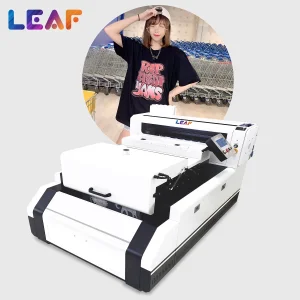
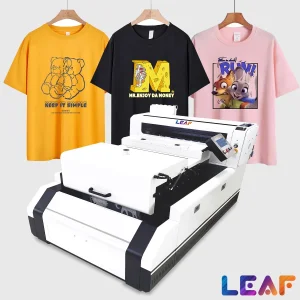
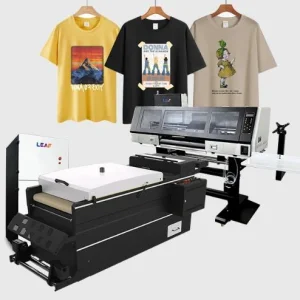
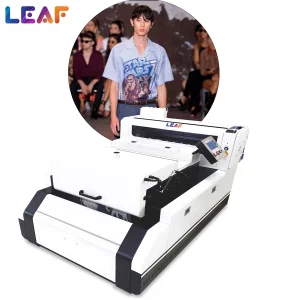
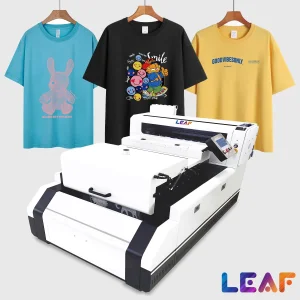
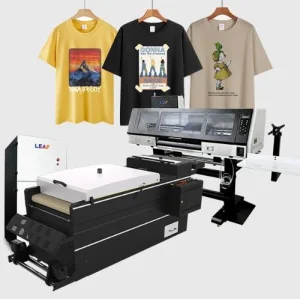
Namibia is one of the most arid nations globally, placing rigorous structural constraints on industrial setups. Traditional commercial printing requires substantial clean water volumes to wash gravure screens, process plates, and clean chemicals. Our collection of water-free DTF (Direct to Film) and dry digital sublimation presses bypasses this resource bottleneck. Incorporating high-efficiency recirculating ink lines, these machines allow operators to run multi-color jobs consecutively with zero chemical runoff.
Additionally, the low atmospheric humidity in regions like the Khomas Highland demands specialized technology. Standard printing inks dry out prematurely inside printhead nozzles in hot, dry environments, resulting in banding and head blockages. Our export configurations integrate intelligent automated capping stations and humidity-controlled printhead chambers. This safeguards printing precision even during dry Namibian winters.
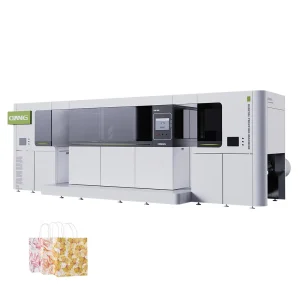
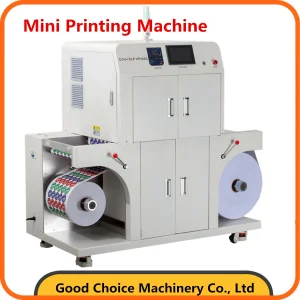
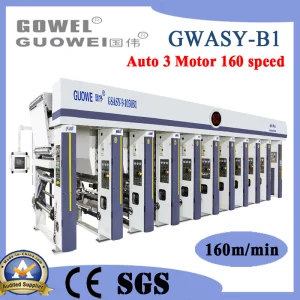
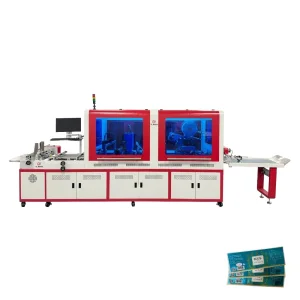
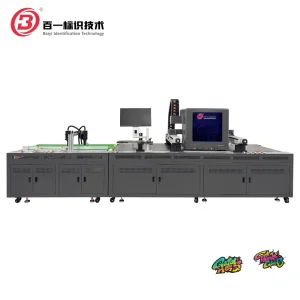
Namibia's FMCG, horticultural, and artisan food markets (such as biltong processing and local beer bottling) require highly localized custom packaging. Global brands previously ordered large quantities of packaging cartons and labels from large-scale factories overseas to justify setup costs. However, our intelligent digital roll-to-roll and rotogravure machines can produce orders down to a single unit. This allows domestic food companies to run promotional test campaigns, print seasonal packaging, and adapt designs instantly without incurring plate preparation charges.
Our assembly line leverages Automated Optical Inspection (AOI) to calibrate precision printheads, preventing spatial dot variation across massive banners.
Integrated voltage surge regulation shields sensitive print electronics from voltage instability common in municipal lines across sub-Saharan Africa.
Custom moisture-proof seaworthy packaging guarantees zero corrosion during shipping transits from Chinese ports directly to the Port of Walvis Bay.
Shenzhen Diem Printer Equipment Co., Ltd. uses a strict manufacturing process. Every unit undergoes a continuous 72-hour test run under stress settings before packaging, verifying mechanical reliability before leaving our industrial base.
Selecting the correct mechanical configuration relies on identifying key performance indicators (KPIs) relevant to your daily manufacturing requirements. The table below highlights the operational advantages of our primary systems:
| Printer Technology Type | Ideal Application Context | Output Performance Speed | Key Environmental Advantage |
|---|---|---|---|
| Direct-to-Film (DTF) | Custom sportswear, apparel branding, mining gear logos | 15 - 28 m²/hour | Low clean-water consumption |
| Digital Flatbed UV | Acrylic, wood, industrial metal labels, ceramic tiles | Up to 45 m²/hour | Zero Volatile Organic Compounds (VOC) |
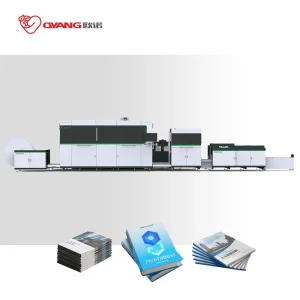
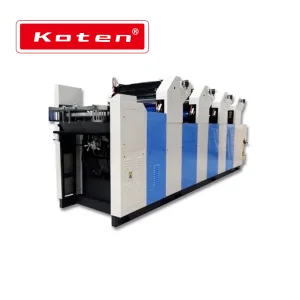
| Digital Offset Press | Newspapers, localized retail flyers, brochures | Up to 120 ppm | Eliminates aluminium chemistry plates |
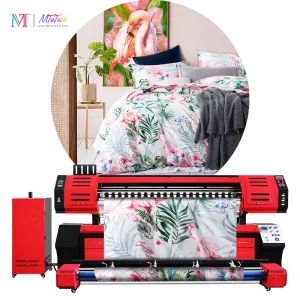
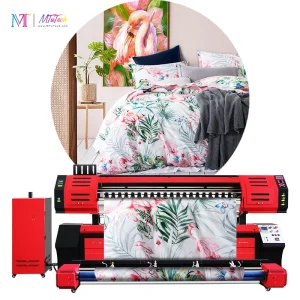
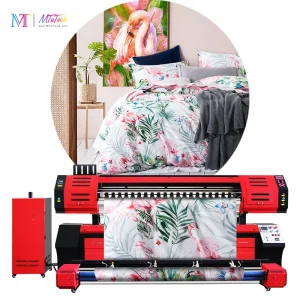
| Sublimation Direct-to-Fabric | Tourism flags, high-UV banners, boutique textiles | 35 - 70 m²/hour | Energy efficient instant-dry technology |
Corporate buyers sourcing equipment for Namibia, South Africa, and Botswana prioritize structural reliability, ease of maintenance, and continuous supply chains. Deploying industrial machinery in Windhoek or Walvis Bay requires addressing several operational needs:
Modern printing equipment must meet safety and chemical regulations to export products to EU markets or regional custom blocks like SACU. Our digital presses utilize inks tested to meet OEKO-TEX Standard 100 and RoHS directives, ensuring safety for apparel and export-ready packaging.
Operating in Southern Africa requires reliable maintenance options. To minimize down-time, our printing machines are equipped with integrated Ethernet and Wi-Fi modules. This allows our technical staff in Shenzhen to run remote configuration checks, adjust color curves, and identify mechanical issues online. For hardware maintenance, we use modular components that allow on-site engineers to replace parts with basic tools.
Industrial zones in developing commercial corridors can experience voltage fluctuations. Our machines are built with active power filtering modules. This design stabilizes electricity before it reaches sensitive printheads, protecting the equipment and ensuring consistent production.
Past, Present, and Future – Building a Stronger Community Through Innovation
In 2010, Shenzhen Diem Printer Equipment Co., Ltd. was established with a vision: not just to manufacture digital printing equipment, but to harness technology to create meaningful value for communities and industries alike. Our mission from the beginning has been to introduce cutting-edge digital printing innovations to the market, while promoting sustainable growth in the technology sector.
Over the years, we have evolved from a small startup into a leading company with a diverse business portfolio. Our team brings together a wide range of skills, innovative thinking, and a shared passion for excellence. By leveraging the unique perspectives and expertise of each team member, we continually push the boundaries of what digital printing technology can achieve.
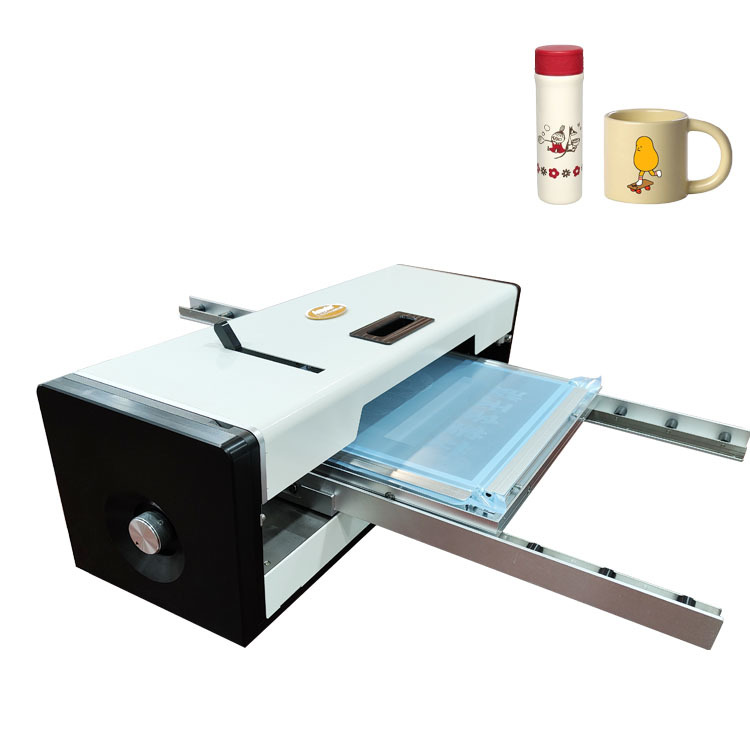
At Shenzhen Diem, we are committed to exploring and advancing the frontiers of digital printing. Our product lineup includes a wide array of digital printers, notably our digital silk screen plate making machines, which are designed to optimize efficiency, simplify workflows, and integrate environmentally friendly practices. Our equipment serves industries such as advertising, printing, and packaging, while also supporting sectors like handicrafts, electronics, and even the power system, demonstrating the versatility and broad impact of our technology.
For our key clients, we provide high-performance silk screen printing solutions capable of handling complex and large-scale printing tasks, empowering businesses to meet diverse market demands with precision and reliability.
We believe that extraordinary achievements happen when people unite around a common purpose. Our mission extends beyond technology: we aim to foster sustainable development where people, businesses, and the environment thrive together.
By harnessing collective wisdom and innovative thinking, Shenzhen Diem Printer Equipment Co., Ltd. remains steadfast in our brand promise: Creating Value Together. Through continuous improvement, innovation, and community engagement, we aspire to lead the industry while making a positive impact on society.
Learn More About Us
We didn’t just start a company to produce printers — we started a company to build a better future. At Shenzhen Diem, every innovation, every machine, and every collaboration reflects our commitment to creating value together, for our customers, our communities, and the world.
Get in touch with our technical sales engineers for detailed specifications, FOB shipping estimates to Walvis Bay, and customized configuration options suited for your facility.
Send Inquiry Now